
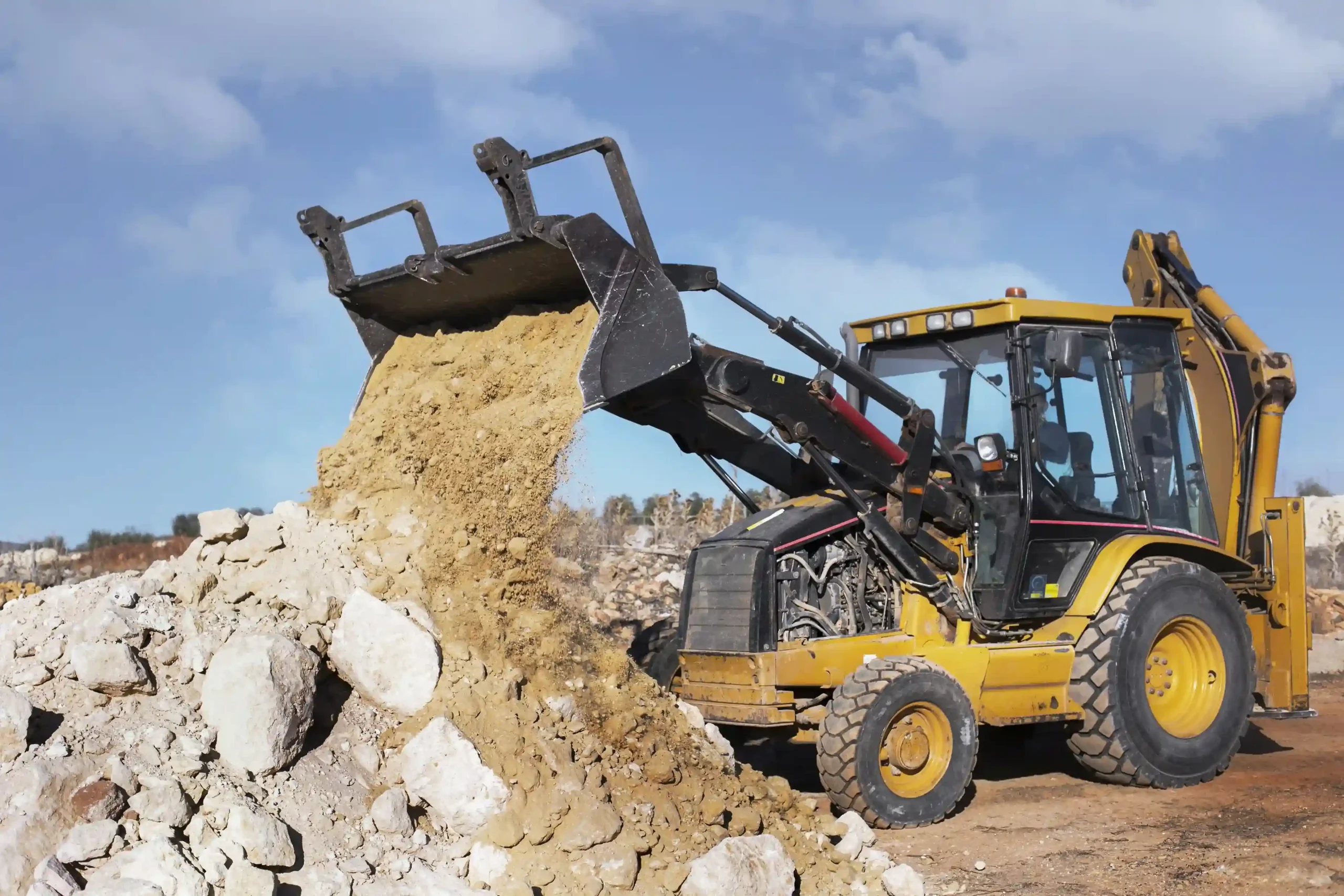
Whether you are landscaping a backyard in Glen Iris or breaking ground on a major commercial development in the Docklands, dirt removal in Melbourne is a crucial stage of any construction project. Managing excess soil is more complex than simply hauling it away—Victoria’s strict environmental regulations and disposal requirements make professional guidance essential. Partnering with an experienced team like CMK Excavations and Hire ensures your site is cleared using the correct machinery and fully compliant methods. Choosing the right strategy for dirt removal in Melbourne can also help you avoid costly fines, reduce disposal fees, and keep your project on schedule. For deeper insights into preparing your site safely and efficiently, explore Site Excavation Melbourne in this comprehensive 2026 guide.
Understanding Soil Classifications in Victoria
Before you book a truck for dirt removal in Melbourne, you must understand what kind of “dirt” you actually have. The Environment Protection Authority (EPA) Victoria categorizes soil to prevent the spread of contaminants.
The 6 Primary Waste Categories
According to current Victorian regulations, soil is classified based on its chemical makeup. Proper testing is the first step in successful dirt removal in Melbourne.
Fill Material (Clean Fill)
This is the “gold standard” for dirt removal in Melbourne. Fill material consists of natural soil, sand, and rock that has no detectable contamination. It is the cheapest to dispose of and can often be reused for other construction sites as clean fill.
Category A, B, and C (Contaminated Soil)
- Category C: Contains moderate levels of contaminants; requires disposal at a licensed landfill.
- Category B: High-level contamination requiring specialized transport and disposal.
- Category A: The most hazardous; this soil cannot go to landfill and must be treated first.
The Cost of dirt removal in Melbourne in 2026
Budgeting for dirt removal in Melbourne depends heavily on volume, soil type, and site accessibility. In 2026, costs have shifted slightly due to fuel prices and updated waste levies.
Average Pricing Structures
- Per Cubic Metre ($m^3$): Expect to pay between $50 and $200 depending on the soil category.
- Per Truck Load: A standard 10-cubic-metre tip truck can cost between $700 and $1,500 per load for clean fill.
- Soil Testing Fees: Professional NATA-accredited testing for dirt removal in Melbourne usually costs between $250 and $600 per sample.
Factors That Influence Your Quote
- Moisture Content: Wet, heavy mud is more expensive to transport than dry, loose dirt.
- Site Access: If a large truck cannot reach the pile, smaller machinery and manual labor will drive up the price of dirt removal in Melbourne.
- Distance to Disposal: The further the “lawful place” (licensed tip), the higher the transport fees.
4 Benefits of Hiring Professionals
While DIY may seem tempting for small garden beds, professional dirt removal in Melbourne offers security and efficiency that a trailer and a shovel cannot match.
Compliance and Documentation
When you hire an expert for dirt removal in Melbourne, they provide “Waste Tracker” documentation through the Environment Protection Authority (EPA) Victoria. This digital system is legally required in Victoria to track the movement of industrial and priority waste, providing a transparent audit trail that proves your soil ended up at a licensed facility. By ensuring every load is logged in Waste Tracker, you are protected from “illegal dumping” charges and fulfill your General Environmental Duty under state law.
Specialized Equipment
- Tight-Access Excavators: Perfect for inner-city Melbourne terraces.
- High-Tip Trucks: Capable of moving 15+ tonnes in a single trip.
- Skid Steers (Bobcats): Ideal for leveling and loading dirt removal in Melbourne projects quickly.
Sustainable Practices for Soil Disposal
In 2026, sustainability is a priority. Many dirt removal in Melbourne services now focus on the “Circular Economy,” redirecting clean soil back into the industry rather than to landfills.
Soil Rehoming and Reuse
Instead of simple disposal, high-quality topsoil removed during dirt removal in Melbourne can be screened and resold to nurseries or used in public parks. This reduces the demand for “virgin” quarried materials.
Managing Acid Sulfate Soils
Certain areas near Melbourne’s coast contain Acid Sulfate Soils. Professional dirt removal in Melbourne ensures these are managed to prevent sulfuric acid from leaching into the groundwater during the moving process.
Sustainable Practices for Soil Disposal
In 2026, sustainability is a priority. Many dirt removal in Melbourne services now focus on the “Circular Economy,” redirecting clean soil back into the industry rather than to landfills.
Soil Rehoming and Reuse
Instead of simple disposal, high-quality topsoil removed during dirt removal in Melbourne can be screened and resold to nurseries or used in public parks. This reduces the demand for “virgin” quarried materials.
Managing Acid Sulfate Soils
Certain areas near Melbourne’s coast contain Acid Sulfate Soils. Professional dirt removal in Melbourne ensures these are managed to prevent sulfuric acid from leaching into the groundwater during the moving process.
Legal Obligations for Homeowners and Builders
The Environment Protection Act 2017 (updated for 2026) places a “General Environmental Duty” on everyone. This means if you are organizing dirt removal in Melbourne, you are responsible for ensuring the waste does not harm human health or the environment.
Lawful Place of Disposal
You must ensure that your dirt removal in Melbourne contractor is taking the material to a “lawful place.” Asking for a receipt from the weighbridge is the best way to verify this and keep your records clean.
Managing Dust and Sediment Runoff
Melbourne’s weather is unpredictable. During dirt removal in Melbourne, you must prevent sediment from washing into stormwater drains, which leads directly to Port Phillip Bay.
Best Management Practices
- Silt Fences: Install these around the perimeter of your dirt piles.
- Covered Loads: Every truck involved in dirt removal in Melbourne must have a tarp to prevent dust blowing onto the road.
- Gravel Exit Pads: Prevents trucks from tracking mud onto public Melbourne streets.
Why Timing Matters for Your Project
Scheduling dirt removal in Melbourne during the dry summer months (December to March) is ideal. Wet soil is significantly heavier and more difficult to excavate, often leading to “bogged” machinery and increased labor hours.
Booking in Advance
The demand for dirt removal in Melbourne peaks during spring and autumn. Booking your contractor at least two weeks in advance ensures you get the best rates and guaranteed availability of specialized equipment.
Technical Challenges of Inner-City dirt removal in Melbourne
Melbourne’s inner suburbs, like Fitzroy and South Yarra, present unique logistical hurdles. Narrow laneways and heritage overlays mean that standard earthmoving equipment often cannot be used, requiring specialized small-scale dirt removal in Melbourne solutions.
Tight Access Excavation Strategies
When space is at a premium, contractors utilize “micro” excavators that can fit through a standard doorway. This ensures that dirt removal in Melbourne remains possible even in high-density residential areas without damaging existing structures or neighboring properties.
The Importance of NATA-Accredited Soil Testing
To comply with Victorian law, soil samples must be analyzed by a laboratory accredited by the National Association of Testing Authorities (NATA). This is a non-negotiable step for any commercial dirt removal in Melbourne project involving unknown fill.
Interpreting Your Soil Report
A professional report will detail the levels of heavy metals, hydrocarbons, and pesticides. Understanding these results is essential for determining the “lawful place” for your dirt removal in Melbourne, as landfills will refuse any load that does not have accompanying documentation.
Equipment Guide for Large-Scale Earthmoving
For major developments, the machinery used for dirt removal in Melbourne must be capable of moving hundreds of tonnes per day. Selecting the wrong fleet can lead to massive delays and increased fuel surcharges.
Excavators vs. Backhoes
- Excavators: Offer 360-degree rotation, making them the primary tool for deep dirt removal in Melbourne.
- Backhoes: More mobile for smaller sites, combining a loader and a digging arm for versatile soil management.
- Articulated Dump Trucks: Necessary for navigating muddy, unsealed sites during the winter months.
Risk Management: Avoiding Underground Utilities
One of the biggest risks during dirt removal in Melbourne is striking underground infrastructure. Melbourne’s suburban landscape is a grid of gas, water, and fiber-optic lines that must be mapped before any digging begins.
Dial Before You Dig (DBYD) Integration
In 2026, it is standard practice for any dirt removal in Melbourne professional to consult the DBYD registry. Failing to do so can result in catastrophic service disruptions and massive repair bills for the property owner.
How Seasonal Shifts Affect dirt removal in Melbourne
Melbourne’s weather patterns significantly dictate the ease of excavation. Planning your dirt removal in Melbourne around the seasonal cycle can prevent your site from becoming an inaccessible mud pit.
Winter vs. Summer Operations
During a wet Melbourne winter, soil becomes “saturated,” increasing its weight by up to 30%. This not only makes dirt removal in Melbourne more physically difficult but also increases the cost at the weighbridge, as you are essentially paying to transport water.
Landscaping and Post-Removal Soil Health
Once the unwanted material is gone, the focus shifts to the health of the remaining ground. Professional dirt removal in Melbourne should leave your site in a condition that supports future growth or structural foundations.
Topsoil Stripping and Stockpiling
In many landscaping projects, the nutrient-rich top layer is stripped and stockpiled separately during the dirt removal in Melbourne phase. This allows the high-quality soil to be reapplied later, saving the cost of buying new garden soil for the finished project.
Conclusion
Navigating the complexities of dirt removal in Melbourne doesn’t have to be a headache. By understanding soil categories, budgeting for professional testing, and hiring licensed experts, you ensure your site remains compliant and clean. Whether it’s a small backyard renovation or a large-scale excavation, the key to success lies in preparation and choosing a partner who understands the local Victorian landscape. Secure your project’s future by prioritizing professional dirt removal in Melbourne and contributing to a cleaner, more sustainable city for all.
sFrequently Asked Questions
What is the cheapest way to get rid of dirt in Melbourne?
The most cost-effective method is ensuring your soil is “Clean Fill” and offering it to others who need it for land leveling. However, for large volumes, hiring a professional dirt removal in Melbourne service with a bulk-tip truck is generally the most efficient option.
Can I put dirt in my council green waste bin?
No, Melbourne councils do not allow soil, sand, or rocks in residential green or red bins. This material is too heavy for the collection trucks and can damage the sorting machinery at recycling centers.
Do I need a soil report for a small residential backyard?
If you are removing more than a few trailer loads, a soil report is highly recommended. Most dirt removal in Melbourne facilities will not accept soil without a basic classification to ensure it isn’t contaminated with lead or asbestos.
How much dirt can a standard 10-yard truck hold?
A standard “tandem” tip truck used for dirt removal in Melbourne typically holds about 8 to 10 cubic metres of loose soil, which weighs approximately 12 to 15 tonnes depending on moisture levels.
Is contaminated soil removal more expensive?
Yes, significantly. Soil classified as Category C, B, or A requires special permits, tracked transport, and higher “gate fees” at specialized landfills compared to standard dirt removal in Melbourne for clean fill.
How do I find a reliable dirt removal contractor?
Look for companies that are EPA-registered and can provide “Waste Tracker” certificates. A reputable dirt removal in Melbourne provider will always be transparent about where your soil is being disposed of and provide a fixed quote.
