
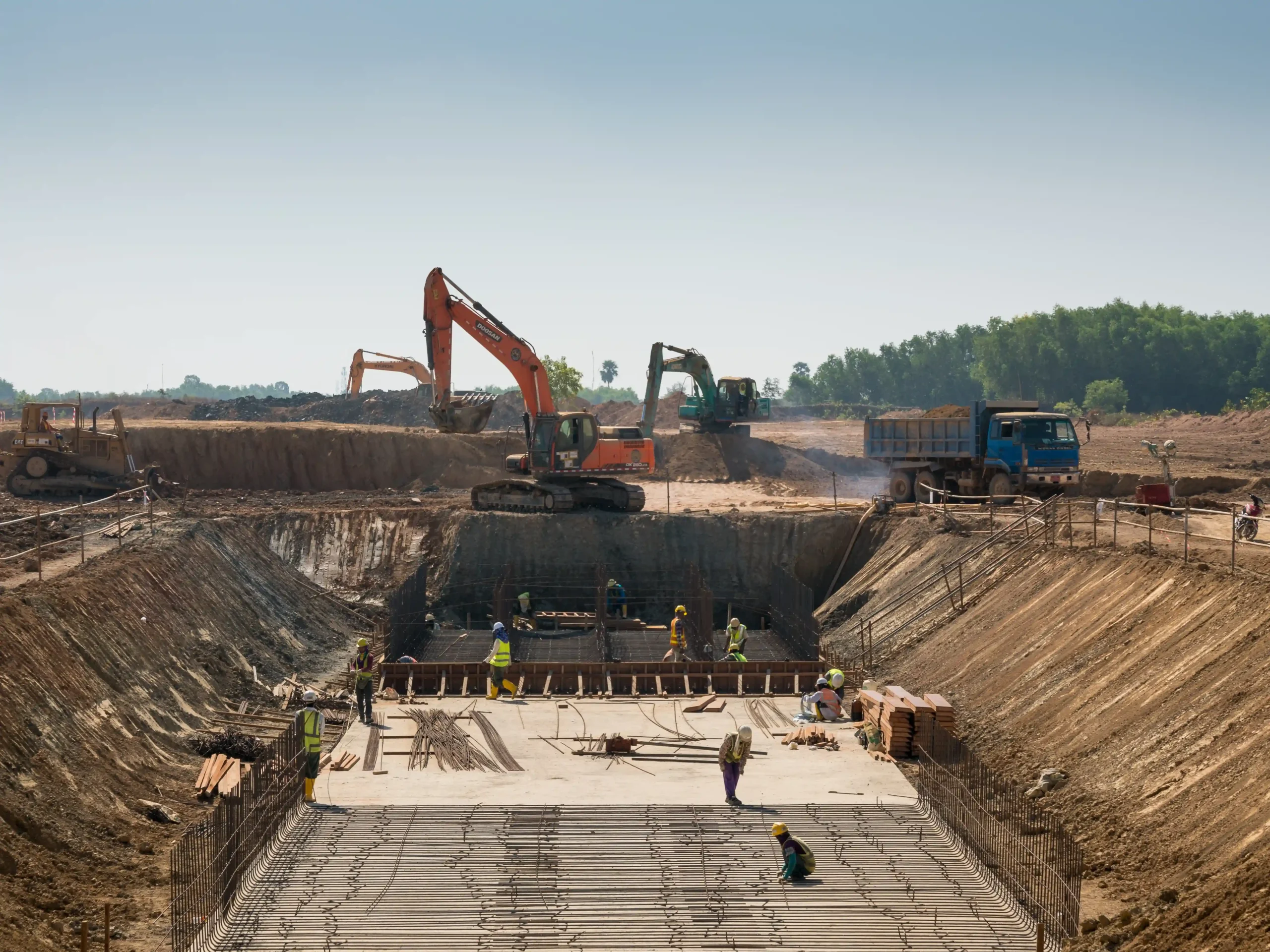
In the dynamic and ever-evolving construction landscape of Melbourne, the journey from an undeveloped plot to a magnificent structure begins with one critical phase: Site Preparation Melbourne. This isn’t merely about clearing dirt; it’s the meticulous process of transforming a raw piece of land into a perfectly primed canvas, ready to support the weight and integrity of future construction. Without precise and professional site preparation, even the most ambitious architectural designs can falter, leading to costly delays, structural compromises, and long-term issues. Understanding the depth and importance of this initial stage is paramount for anyone venturing into building projects in Victoria’s capital.
Embarking on any construction project, be it a new home, a commercial complex, or an infrastructure upgrade, necessitates a clear and well-executed start. Our comprehensive approach to site preparation ensures that every variable, from soil composition to existing utilities, is thoroughly assessed and addressed. If you’re looking to understand the initial steps of transforming overgrown land into a buildable area, explore our detailed guide on Land Clearing Melbourne services.
The Pillars of Professional Site Preparation Melbourne
Achieving a stable, durable, and compliant construction project hinges on several key pillars of professional Site Preparation Melbourne. Each step is intricately linked, contributing to the overall integrity and success of the build.
Understanding the Melbourne Terrain
Melbourne’s geological makeup is diverse, presenting unique challenges and opportunities for construction. From the sprawling suburbs to the inner-city developments, understanding the local soil conditions is the first and most crucial step in any site preparation project.
Geological Diversity
Melbourne’s soil types vary significantly across its regions:
- Northern Suburbs: Often characterised by heavy, reactive clays that can swell and shrink with moisture changes, requiring specific foundation designs and drainage solutions.
- South-eastern Suburbs: May feature more sandy or silty soils, which can be prone to erosion and require careful compaction.
- Inner City: Can present a complex mix of fill material, historic foundations, and varying natural soils, demanding extensive geotechnical investigation.
Impact on Construction
The type of soil directly influences:
- Foundation Design: Requiring different footing types (e.g., waffle slabs for reactive clays, piled foundations for unstable ground).
- Drainage Systems: Tailored to manage water flow effectively given the soil’s permeability.
- Excavation Techniques: Adapting to stability and potential for collapse.
Comprehensive Site Assessment and Planning
Before the first shovel breaks ground, a thorough assessment and strategic planning phase is critical. This ensures that all potential challenges are identified and addressed proactively, preventing costly surprises down the line.
Geotechnical Investigations
- Soil Testing: Laboratory analysis to determine soil composition, bearing capacity, and reactivity.
- Percolation Tests: Assessing how quickly water drains through the soil, vital for septic systems and storm water management.
- Contamination Surveys: Identifying any hazardous materials or pollutants that need to be remediated.
Surveying and Layout
- Topographical Surveys: Mapping the existing contours and elevation of the land.
- Site Layout Planning: Marking out building footprints, access roads, and utility trenches based on architectural plans.
Regulatory Compliance
Navigating Melbourne’s stringent building codes and local council regulations is a complex but essential part of Site Preparation Melbourne.
- Permit Acquisition: Obtaining necessary planning and building permits from local authorities.
- Environmental Impact Assessments: Ensuring the project complies with environmental protection guidelines.
- Safety Plans: Developing comprehensive safety strategies in accordance with WorkSafe Victoria standards.
The Core Services of Site Preparation Melbourne
Professional Site Preparation Melbourne involves a suite of specialised services, each playing a vital role in transforming an undeveloped plot into a construction-ready site.
Land Clearing Melbourne
The initial phase often involves clearing the site of any obstructions.
- Vegetation Removal: Clearing trees, shrubs, and overgrown grass. This often involves stump grinding and removal to ensure a clean base.
- Debris Removal: Eliminating rocks, boulders, and any existing waste materials from the site.
- Selective Clearing: Carefully removing only designated vegetation while preserving desirable trees or natural features.
Earthmoving Contractors and Excavation Services Melbourne
Once cleared, the site requires reshaping and excavation to achieve the desired contours and prepare for foundations.
- Bulk Earthworks: Moving large volumes of soil to level the site or create specific slopes.
- Site Cuts and Fills: Adjusting ground levels to achieve the required building platform, often involving cutting into elevated areas and filling lower ones.
- Foundation Excavation: Digging trenches and footings for slabs, basements, or other structural elements.
- Trenching: Creating channels for utilities such as water, sewage, gas, electricity, and telecommunications. This is a critical step that requires precision to avoid damaging existing infrastructure.
- Retaining Wall Excavation: Preparing the ground for retaining walls to manage slopes and prevent erosion.
The Role of Advanced Machinery
Modern Site Preparation Melbourne relies heavily on a range of powerful and precise machinery.
- Excavators: Ranging from compact mini-excavators for tight access to large excavators for bulk earthworks.
- Dozers: Used for pushing and spreading soil over large areas.
- Graders: Essential for fine-tuning the level and slope of the ground with high accuracy.
- Skid Steer Loaders: Versatile machines for moving materials, digging, and grading in confined spaces.
Ground Levelling Melbourne and Compaction
A perfectly level and compacted surface is the bedrock of any stable structure.
- Laser Levelling: Utilising laser-guided equipment to achieve an extremely precise and uniform surface. This is crucial for slab foundations and proper water drainage.
- Soil Compaction: Using vibrating rollers and compactors to increase the density of the soil, improving its load-bearing capacity and reducing settlement.
- Engineered Fill: Importing and compacting suitable fill material when the existing soil is inadequate, ensuring the sub-base meets engineering specifications.
Importance of Compaction
- Prevents Settlement: Reduces the risk of the building settling unevenly over time, which can lead to cracks.
- Increases Bearing Capacity: Enhances the soil’s ability to support the weight of the structure.
- Reduces Water Penetration: A denser soil minimises water absorption, which helps prevent swelling and shrinking.
Soil Removal Services
Often, Site Preparation Melbourne generates a significant amount of excess soil and debris that needs to be efficiently removed from the site.
- Spoil Removal: Transporting excavated soil, rocks, and other inert waste off-site to approved disposal facilities.
- Waste Management: Proper segregation and disposal of any green waste, concrete, or other construction debris in an environmentally responsible manner.
Safety and Compliance in Construction Site Prep
Safety is not just a consideration; it is the absolute priority in any Site Preparation Melbourne project. Adhering to strict safety protocols and regulatory standards protects workers, the public, and the integrity of the project.
WorkSafe Victoria Regulations
All earthmoving contractors and construction site prep companies must comply with WorkSafe Victoria’s rigorous health and safety guidelines.
- Excavation Safety: Implementing measures to prevent trench collapse, such as shoring, battering, and safe entry/exit points.
- Equipment Operation: Ensuring all machinery operators are licensed, trained, and follow safe operating procedures.
- Site Access Control: Restricting unauthorised access to the construction zone to prevent accidents.
Protecting Underground Assets
One of the most critical aspects of construction site prep is the identification and protection of existing underground utilities.
- “Dial Before You Dig”: Always contacting the national service to locate underground pipes, cables, and networks.
- Utility Mark-Outs: Clearly marking the location of all services on the ground to guide excavation teams.
- Careful Excavation: Using non-destructive digging methods (e.g., hand digging, vacuum excavation) in close proximity to known services.
The Financial Benefits of Expert Site Preparation
While some might view Site Preparation Melbourne as an upfront cost, it is, in fact, a crucial investment that yields significant financial benefits in the long run.
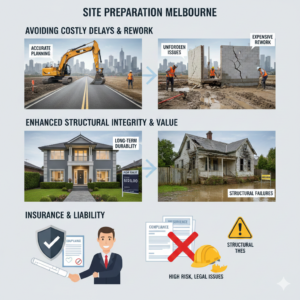
Avoiding Costly Delays and Rework
- Accurate Planning: Minimising unforeseen issues that can halt construction.
- Reduced Rework: Getting the foundation right the first time prevents the need for expensive structural repairs later.
- Faster Project Completion: A well-prepared site allows subsequent trades to proceed efficiently, keeping the project on schedule and within budget.
Enhanced Structural Integrity
- Long-Term Durability: A stable foundation significantly extends the lifespan of the building, reducing maintenance and repair costs over decades.
- Higher Property Value: A well-built structure on a solid foundation commands a higher market value.
Insurance and Liability
- Reduced Risks: Professional site prep reduces the likelihood of accidents and structural failures, which can lead to expensive insurance claims and legal liabilities.
- Compliance: Meeting all regulatory requirements ensures that your project remains insured and compliant with local laws.
For more information on the critical role of professional site preparation, consider exploring resources like the Master Builders Association of Victoria for industry best practices and standards.
Choosing the Right Earthmoving Contractors in Melbourne
Selecting experienced and reliable earthmoving contractors is paramount to the success of your Site Preparation Melbourne project.
Key Qualities to Look For
- Experience: A proven track record with similar projects in Melbourne.
- Local Knowledge: Understanding of Melbourne’s unique geological and regulatory landscape.
- Modern Equipment: Access to well-maintained, advanced machinery suitable for various tasks.
- Qualified Personnel: Licensed and experienced operators, project managers, and safety officers.
- Comprehensive Services: Offering a full suite of services from land clearing to soil removal services.
- Insurance and Licensing: Fully insured and licensed to operate in Victoria.
- References: Positive testimonials and case studies from previous clients.
Questions to Ask Potential Contractors
- Can you provide examples of similar projects you’ve completed in Melbourne?
- What is your approach to soil testing and analysis?
- How do you ensure compliance with WorkSafe Victoria regulations?
- What machinery will be used for my project, and what are the operator’s qualifications?
- Can you provide a detailed breakdown of all costs involved?
A Comparison of Site Preparation Approaches
| Feature | Professional Site Preparation Melbourne | DIY/Unprofessional Site Preparation |
| Foundation Stability | Guaranteed with engineered compaction | High risk of settlement and cracking |
| Drainage Solutions | Expertly designed for optimal runoff | Often leads to water pooling/flooding |
| Regulatory Compliance | Fully compliant with all permits | High risk of fines and project halts |
| Safety Standards | Adherence to WorkSafe Victoria | Increased risk of accidents |
| Equipment & Expertise | Modern, specialized machinery & skilled operators | Basic tools, limited experience |
| Underground Utilities | Proactive identification & protection | High risk of damaging services |
| Long-term Costs | Reduced, fewer repairs & maintenance | Higher due to unforeseen issues |
| Project Timeline | Efficient & on schedule | Prone to delays & extended timelines |
Environmental Sustainability in Site Preparation Melbourne
As Melbourne moves toward a greener future, the construction industry is shifting its focus toward eco-friendly groundwork. Professional Site Preparation Melbourne now integrates sustainable practices that minimize the environmental footprint of a build before the first brick is laid.
Erosion Control and Sediment Management
Melbourne’s weather can be volatile, and heavy rain on a cleared site can lead to significant soil erosion. Expert teams implement:
- Silt Fences: Installing barriers to prevent loose soil from washing into local waterways and storm drains.
- Stabilised Access Points: Using crushed rock at site entries to prevent mud from being tracked onto public Melbourne roads.
- Dust Suppression: Utilising water trucks to manage airborne particles, protecting the air quality for neighbouring residents.
Ethical Waste Management and Recycling
A major part of Site Preparation Melbourne involves dealing with cleared materials. Rather than sending everything to a landfill, modern contractors prioritise:
- Concrete Crushing: Repurposing old foundations or driveways into road base or sub-fill.
- Green Waste Mulching: Turning cleared trees and shrubs into mulch for future landscaping.
- Soil Re-use: Testing excavated soil to see if it can be repurposed as fill on other parts of the site, reducing the need for imported materials.
The Role of Advanced Technology in Modern Site Prep
The days of relying solely on manual measurements are over. Today, Site Preparation Melbourne leverages cutting-edge technology to ensure millimetre-perfect accuracy, which is essential for high-density urban developments.
GPS and Laser-Guided Grading
To achieve a perfectly level building platform, contractors now use:
- 3D Grade Control: Attaching GPS systems to excavators and dozers to follow digital site plans with extreme precision.
- Laser Levelling: Ensuring that “Site Preparation Melbourne” projects meet the exact elevation requirements for slab-on-ground construction, which prevents future drainage issues.
Non-Destructive Digging (NDD)
In crowded Melbourne suburbs, the risk of hitting a gas or water main is high. To mitigate this, many site prep projects now utilise:
- Hydro-Excavation: Using high-pressure water and a vacuum system to safely expose underground utilities without the risk of mechanical damage from a metal bucket.
Site Preparation Melbourne for Tight-Access Urban Blocks
As Melbourne embraces “infill” development—building new homes in established backyards—the challenge of tight access has become a standard part of Site Preparation Melbourne.
Specialised Mini-Equipment
Large machinery simply won’t fit through the narrow side-gates of a classic Victorian terrace or a suburban bungalow. Professional contractors overcome this by using:
- Micro-Excavators: Machines as narrow as 700mm that can fit through a standard doorway.
- Tracked Dumpers: Nimble carriers that transport soil removal services materials across sensitive terrain without getting bogged or damaging existing paths.
Strategic Logistics and Planning
Working in confined spaces requires a higher level of logistical coordination:
- Traffic Management: Coordinating the arrival and departure of trucks on narrow Melbourne streets to avoid local congestion.
- Vibration Monitoring: Ensuring that heavy excavation doesn’t cause structural cracks in neighbouring heritage homes or shared boundary walls.
Conclusion
Ultimately, the success and longevity of any construction project in Melbourne are inextricably linked to the quality of its initial groundwork. Professional Site Preparation Melbourne is not merely an optional step; it is the fundamental investment that safeguards your entire project, ensuring structural integrity, regulatory compliance, and peace of mind. By entrusting your site preparation to experienced specialists, you lay a robust foundation that will support your vision for decades to come, preventing future headaches and securing the value of your investment.
Don’t compromise on the bedrock of your construction project. Partner with expert earthmoving contractors who understand the unique demands of Site Preparation Melbourne. For reliable, efficient, and compliant site preparation services, contact us today to discuss your project and get a quote today.
Frequently Asked Questions
What makes Site Preparation Melbourne different from other regions?
Melbourne’s diverse geology, ranging from reactive clays to sandy soils, along with its specific building codes and WorkSafe Victoria regulations, requires specialised knowledge and techniques for effective and compliant site preparation.
How long does a typical site preparation project take?
The duration of site preparation varies greatly depending on the project’s size, complexity, existing site conditions (e.g., heavy vegetation, rock removal), and regulatory requirements. Smaller residential sites might take a few days, while large commercial projects could span several weeks.
What are the key stages of a comprehensive Site Preparation Melbourne project?
Key stages typically include initial site assessment and surveying, land clearing and demolition, bulk excavation and site cuts, ground levelling and compaction, and finally, soil removal services and final grading.
Do I need to get permits for Site Preparation Melbourne?
Yes, most significant site preparation activities, especially those involving extensive excavation, site cuts, or major land clearing, will require planning and/or building permits from your local Melbourne council. Professional contractors can guide you through this process.
How do you protect existing utilities during excavation?
We strictly adhere to “Dial Before You Dig” procedures to locate all underground services. Additionally, we use precise marking, careful excavation techniques, and sometimes non-destructive digging methods in sensitive areas to prevent damage to pipes and cables.
What happens to the excess soil and waste from the site?
As part of our soil removal services, all excess soil, rock, and construction debris are responsibly transported off-site to approved recycling or disposal facilities. We ensure environmental compliance in all waste management practices.
