
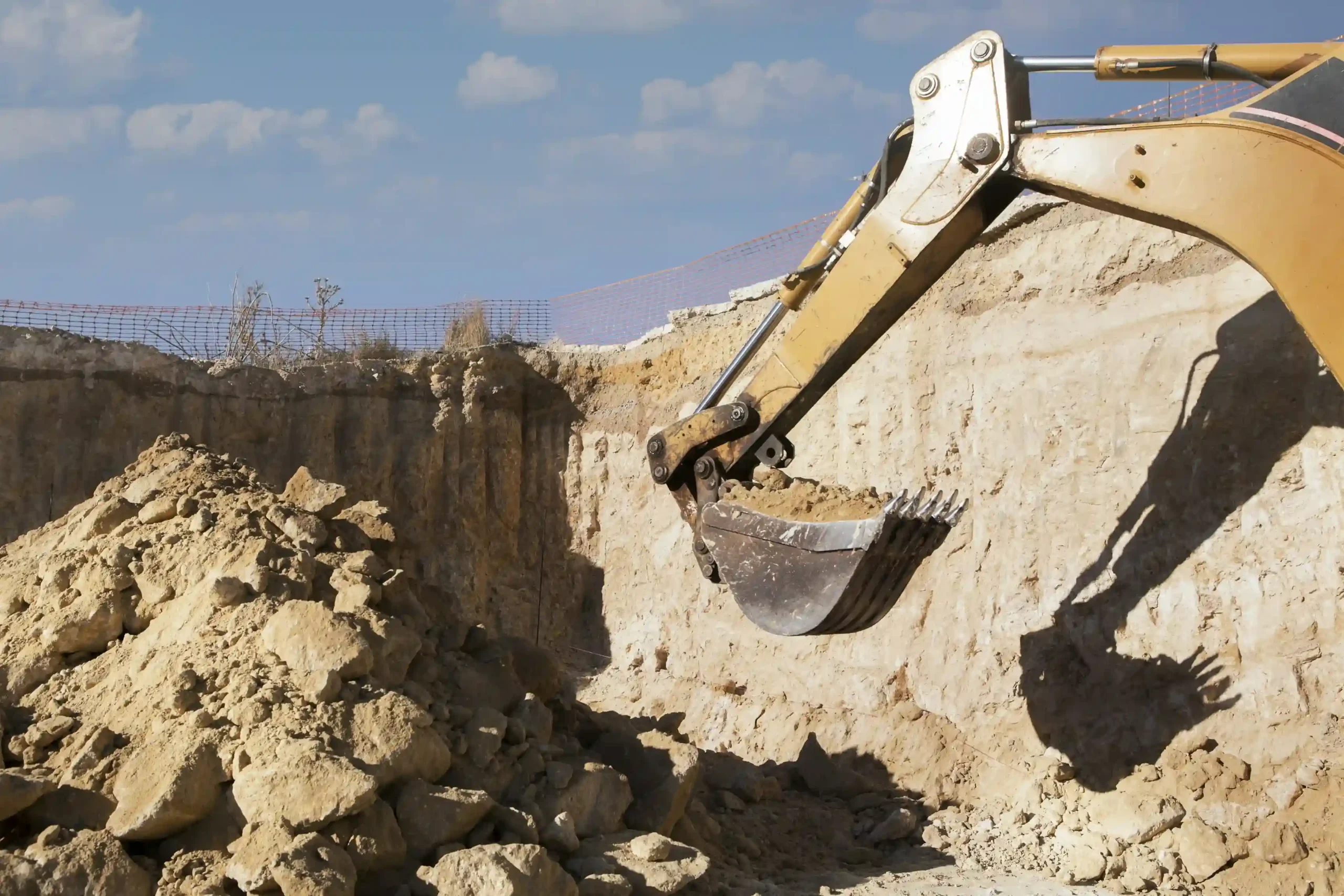
When starting any construction project in Victoria’s capital, the foundation of your success lies in the ground itself. Site Excavation Melbourne is a detailed process that requires more than heavy machinery—it calls for expert knowledge of local soil conditions, urban regulations, and safe excavation practices. Whether you’re preparing a small backyard for a pool or clearing a large commercial site in the CBD, professional Site Excavation Melbourne ensures your structure is built on solid, level, and well-drained ground. For added confidence and support, many builders rely on trusted specialists like Earthmoving Contractors Melbourne to keep projects running smoothly, safely, and within budget.
Understanding the Landscape of Site Excavation Melbourne
The Importance of Professional Grading
Before a single brick is laid, the land must be perfectly leveled. Proper Site Excavation Melbourne involves precise grading to ensure that water flows away from structures, preventing future flooding or foundation erosion.
Soil Variations in Melbourne Suburbs
Melbourne’s geology is diverse. From the reactive “sticky” clay in the Western suburbs like Werribee to the sandy loams of the Bayside area, Site Excavation Melbourne must be tailored to the specific soil profile of your site.
- Volcanic Clays: Common in the West; requires specialized drainage strategies.
- Sandy Soils: Found in the South-East; easier to dig but prone to collapse without shoring.
- Silicified Sandstone: Often encountered in the North; may require rock-breaking equipment.
Key Stages of the Excavation Process
Site Surveying and Marking
The first step in Site Excavation Melbourne is a thorough survey. This ensures that the boundaries are respected and that underground utilities—such as gas, water, and fiber optics—are clearly marked to avoid catastrophic damage.
Obtaining Necessary Permits
Melbourne councils (such as the City of Melbourne or Yarra Ranges) have strict bylaws regarding land disturbance. Your Site Excavation Melbourne specialist should assist in securing:
- Asset Protection Permits.
- Traffic Management Plans (if blocking roads).
- Environmental Protection Authority (EPA) approvals for soil disposal.
Clearing and Grubbing
This stage involves removing surface vegetation, rocks, and debris. During Site Excavation Melbourne, “grubbing” specifically refers to the removal of deep-seated roots that could otherwise rot underground and cause soil instability over time.
Essential Equipment for Melbourne Digs
Excavators and Diggers
The workhorse of any Site Excavation Melbourne project is the excavator. These come in various sizes:
- Micro Excavators: For tight inner-city alleyways in Fitzroy or Carlton.
- Medium Excavators: Ideal for residential house pads.
- Large Crawlers: Used for major infrastructure and basement digs.
Specialized Attachments
To handle the diverse terrain, contractors often use:
- Augers: For precise hole drilling for piers or fences.
- Rock Breakers: For the stubborn basalt common in Melbourne’s north.
- Buckets: Various widths for trenching or bulk earthmoving.
Safety and Environmental Standards
Managing Dust and Noise
Melbourne is a densely populated city. High-quality Site Excavation Melbourne services prioritize neighbor relations by:
- Using water trucks to dampen dust.
- Adhering to strict work-hour regulations (usually 7 am to 6 pm).
- Utilizing modern, silenced machinery.
Sustainable Soil Disposal
What happens to the dirt? In Site Excavation Melbourne, “Clean Fill” is often recycled for other projects, while contaminated soil must be transported to licensed facilities following strict EPA Victoria guidelines.
Choosing the Right Contractor in Melbourne
Verification and Insurance
Never hire a team for Site Excavation Melbourne without verifying their Public Liability Insurance and WorkCover compliance. This protects you from legal headaches should an accident occur on your property.
Evaluating Local Experience
A contractor who understands Site Excavation Melbourne will know the “Dial Before You Dig” protocols inside out and will have a network of local tips for disposing of waste efficiently.
- Ask for a Portfolio: Look for projects similar to yours.
- Check Reviews: Local Google reviews provide insight into punctuality and site cleanliness.
- Request a Detailed Quote: Ensure there are no hidden fees for “hard rock” encounters.
Cost Factors in Local Excavation
Depth and Volume
The primary cost driver for Site Excavation Melbourne is the volume of earth moved. The deeper you go (especially for basements), the more complex the shoring and hauling requirements become.
Site Accessibility
If your property is in a narrow street in South Yarra, the cost of Site Excavation Melbourne might rise due to the need for smaller equipment and more frequent, smaller truck loads to remove debris.
Drainage and Infrastructure Preparation
Implementing Subsurface Drainage Systems
Effective Site Excavation Melbourne isn’t just about shifting soil—it’s also about smart water management. This stage involves installing agricultural pipes (aggie pipes) and silt pits to keep the site dry and stable long after construction is complete. For additional insights on proper drainage design, you can refer to trusted industry resources like Civil Engineering Daily
Connecting to the Legal Point of Discharge (LPOD)
Every Melbourne property has a designated point where stormwater must flow. We discuss how Site Excavation Melbourne identifies these council-mandated points to prevent illegal runoff into neighboring properties.
Basement Excavation and Shoring Techniques
The Rise of Multi-Level Basements in Inner-Melbourne
With land prices high in suburbs like Toorak and Richmond, many owners are digging down. This requires advanced Site Excavation Melbourne techniques to ensure the stability of adjacent buildings.
Bored Piers and Retaining Walls
- Capping Beams: Why they are essential for structural integrity.
- Shotcreting: The process of spraying concrete to reinforce excavated walls.
- Anchoring: Securing the site against soil pressure.
Seasonal Considerations for Melbourne Digs
Navigating “Four Seasons in One Day”
Melbourne’s weather is notoriously unpredictable. This section explains how Site Excavation Melbourne schedules must account for heavy winter rains that can turn a site into a mud pit, potentially delaying the slab pour.
Summer Dust Suppression and Fire Safety
During the dry northern summer months, Site Excavation Melbourne requires strict dust control measures to comply with health and safety standards and maintain visibility for machinery operators.
Site Remediation and Demolition
Clearing Existing Structures
Often, Site Excavation Melbourne begins with the demolition of an old weatherboard or brick veneer home. We look at the transition from demolition to the first “cut” of the soil.
Identifying and Removing Asbestos
Many older Melbourne sites contain asbestos pipes or fragments. We explain the legal requirements for hazardous material removal during the initial stages of Site Excavation Melbourne.
The Technology Driving Modern Excavation
GPS and Laser Leveling Accuracy
Gone are the days of “eyeballing” a site. Modern Site Excavation Melbourne uses 3D GPS modeling to ensure the dig is accurate to within millimeters, saving thousands in concrete overfill costs.
To further extend the word count and provide more value to your readers, here are additional technical and logistical topics you can insert before the conclusion. These headings are designed to integrate the focus keyword naturally while covering specific Victorian construction nuances.
Detailed Soil Testing and Geotechnical Reports
The Role of a Geotechnical Engineer
Before any Site Excavation Melbourne begins, a soil report is mandatory. This section explains how engineers classify sites (Class A to Class P) and how these classifications dictate the type of heavy machinery required for your specific dig.
Handling “Fill” and Uncontrolled Ground
In many redeveloped Melbourne suburbs, the ground may contain “uncontrolled fill” from previous builds. We discuss how Site Excavation Melbourne specialists identify unstable ground and replace it with engineered fill to ensure a solid foundation.
Retaining Wall Preparation and Excavation
Cutting Into Sloping Blocks
Melbourne’s eastern and northern suburbs often feature hilly terrain. This section explores the complexities of Site Excavation Melbourne on a slope, including tiered excavations and creating “benches” for structural retaining walls.
Timber vs. Concrete Sleeper Walls
A look at how the excavation process differs depending on whether you are installing temporary timber shoring or permanent concrete sleeper walls to hold back the Melbourne clay.
Utility Trenching and Service Installation
Digging for Essential Services
Site Excavation Melbourne isn’t limited to the house footprint. It includes the precise trenching required for:
- Electrical Conduits: Meeting specific depth requirements for safety.
- Sewerage and Gas Lines: Ensuring the correct “fall” or gradient for gravity-fed systems.
- Communication Lines: Preparing for NBN and high-speed fiber connections.
Protecting the Local Environment and Flora
Tree Protection Zones (TPZ) and Root Pruning
Melbourne councils are protective of their canopy. This section covers how Site Excavation Melbourne must respect “Tree Protection Zones” to avoid heavy fines and damage to protected native species like the River Red Gum.
Silt Fencing and Erosion Control
We explain the importance of installing silt fences during Site Excavation Melbourne to prevent sediment from washing into Melbourne’s waterways, such as the Yarra River or Port Phillip Bay, during a storm.
Post-Excavation Site Management
Compaction Testing and Certification
Once the dirt is moved, the work isn’t done. This section details the “level one” or “level two” compaction testing required after Site Excavation Melbourne to prove the ground can support the weight of the new building.
Conclusion
Embarking on a construction journey requires a rock-solid start, and that begins with high-quality Site Excavation Melbourne. By understanding the local soil conditions, adhering to council regulations, and hiring the right professionals, you can avoid the common pitfalls that lead to delays and extra costs. Remember, the earth beneath your project is the only thing you can’t easily change once the build is finished. Investing in expert Site Excavation Melbourne today ensures the longevity and safety of your investment for decades to come. Whether you are digging a simple trench or a massive foundation, let the local experts handle the heavy lifting to ensure your project rises from a perfect base.
Frequently Asked Questions
1. How much does Site Excavation Melbourne typically cost?
Costs vary based on site size and soil type, but residential projects usually range from $90 to $150 per hour for machine hire. Bulk soil removal and tip fees are usually calculated separately based on tonnage.
2. Do I need a permit for Site Excavation Melbourne?
Yes, most projects require an Asset Protection Permit from your local council. If you are removing significant vegetation or working near protected trees, additional planning permits may be required.
3. How long does the average excavation take?
A standard residential house pad for Site Excavation Melbourne usually takes 2 to 5 days, depending on weather conditions and the amount of rock encountered during the dig.
4. What is “Rock-In” during an excavation project?
“Rock-In” refers to an unexpected encounter with solid rock layers beneath the surface. In Site Excavation Melbourne, this often requires a change in equipment (to a rock breaker) and can increase both time and cost.
5. How do you handle wet weather during an excavation?
Professional teams monitor Melbourne’s unpredictable weather closely. If the ground becomes too saturated, work may pause to prevent “churning” the soil, which ruins the structural integrity of the site.
6. Can I do my own Site Excavation Melbourne?
While you can rent equipment, it is not recommended for foundations. Professional excavators have the laser-leveling tools and experience to ensure the site is perfectly flat and compliant with Australian building codes.
