
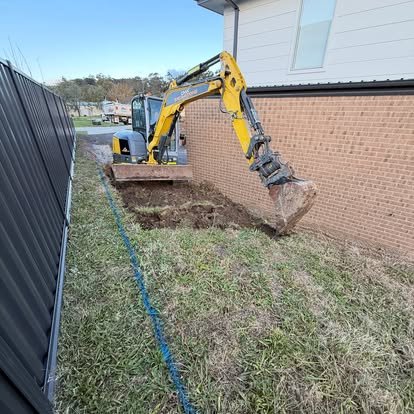
Tight-Access Excavation Works on Residential Properties are specialised excavation solutions designed for homes where space is limited, access is difficult, or traditional machinery cannot reach the work area. Using compact equipment, careful planning, and experienced operators, these projects allow earthmoving, landscaping, drainage, and construction preparation to be completed safely and efficiently.
Many Australian homeowners assume excavation requires large machinery and plenty of room, but modern equipment has changed what is possible. Whether you have a narrow driveway, restricted side access, established gardens, or a challenging block layout, tight-access excavation can provide a practical solution.
What Is Tight-Access Excavation Works on Residential Properties?
Tight-access excavation works involve using smaller, specialised machinery to complete excavation tasks in areas where standard excavators cannot operate effectively. These machines are designed to navigate confined spaces while still delivering the digging capability needed for residential projects.
Common situations requiring this type of excavation include inner-city homes, established suburban properties, renovated houses, and blocks with limited vehicle access.
Compact excavators, mini loaders, and specialised attachments allow operators to complete detailed earthmoving tasks while reducing disruption to surrounding structures and landscaping.
Some common residential applications include:
- House extensions and new building preparation
- Swimming pool excavation
- Drainage and stormwater improvements
- Retaining wall preparation
- Landscaping and garden redesigns
- Driveway and access upgrades
- Trenching for electrical or plumbing services
For homeowners, the biggest advantage is being able to complete necessary groundwork without requiring major demolition or removing large sections of existing property.
Why Homeowners Choose Tight-Access Excavation Solutions
Residential properties are becoming increasingly challenging to access. Many Australian homes have narrow side passages, limited parking areas, established gardens, fences, and neighbouring structures close to boundaries.
Traditional excavation machinery may not fit through these spaces, creating delays or requiring expensive manual labour. Tight-access equipment helps overcome these challenges by allowing excavation professionals to work within restricted areas.
A smaller machine does not mean a smaller result. Experienced operators understand how to select the right equipment, manage ground conditions, and complete excavation tasks with precision.
CMK EXCAVATIONS & HIRE PTY LTD helps residential customers tackle difficult access projects by combining practical experience with the right machinery for each site. This approach helps reduce unnecessary disruption while achieving reliable excavation outcomes.
How the Tight-Access Excavation Process Works
Every residential excavation project starts with understanding the site conditions. Before machinery arrives, an experienced operator will assess access points, soil conditions, underground services, and the overall requirements of the project.
The typical process includes:
1. Site Assessment and Planning
The first step involves inspecting the property and identifying any challenges that could affect the excavation process. This may include measuring access widths, checking ground stability, and planning machinery movement.
Australian properties can vary significantly, from clay-heavy suburban blocks to sloping rural sites. Understanding the ground conditions helps determine the safest and most effective approach.
2. Selecting Suitable Machinery
Different projects require different equipment. A mini excavator may be ideal for trenching or landscaping, while a compact track loader may be better suited for moving materials in restricted areas.
The right machinery helps improve accuracy and reduces the risk of damaging existing structures, pathways, or gardens.
3. Completing Excavation Work Carefully
During excavation, operators focus on controlled movement and precision. Tight-access projects often require more attention to detail because there is less room for error.
Experienced operators consider nearby buildings, retaining structures, fences, and underground utilities throughout the process.
4. Site Preparation and Clean-Up
After excavation is complete, the area is prepared for the next stage of construction or landscaping. This may include levelling, removing excess material, or preparing the ground for foundations, drainage, or outdoor improvements.
Common Challenges During Residential Excavation Projects
Excavation on existing properties requires careful planning because unexpected issues can occur. Some common challenges include:
- Limited machinery access due to narrow pathways or fencing
- Poor soil conditions affecting excavation stability
- Hidden underground services
- Protecting existing landscaping and structures
- Managing excess soil removal
Before any excavation begins, it is important to consider underground infrastructure. In Australia, contacting relevant utility locating services such as Dial Before You Dig can help identify potential underground hazards before work starts.
Following safe excavation practices and relevant workplace safety requirements helps protect workers, homeowners, and surrounding properties.
Benefits of Using Professional Tight-Access Excavation
Choosing an experienced excavation contractor provides several advantages compared with attempting difficult earthmoving work without specialised equipment.
Professional tight-access excavation offers:
- Better control in restricted areas
- Reduced risk of property damage
- Faster completion compared with manual digging
- Access to specialised machinery
- Safer handling of difficult ground conditions
- A cleaner and more organised worksite
While some small landscaping tasks may be suitable for DIY approaches, excavation involving structural preparation, drainage, or significant soil removal requires proper knowledge and equipment.
When to Call a Professional
If your residential project involves restricted access, major earthworks, drainage preparation, or excavation near existing structures, professional support can make a significant difference.
CMK EXCAVATIONS & HIRE PTY LTD provides experienced excavation solutions for challenging residential sites across Australia. Their team can assess your property, recommend suitable machinery, and complete excavation work with safety and precision in mind.
Whether you are preparing for a renovation, improving drainage, creating outdoor spaces, or managing difficult access conditions, getting expert advice early can help prevent costly mistakes. Contact CMK EXCAVATIONS & HIRE PTY LTD to discuss your excavation requirements and arrange a suitable solution for your property.
Conclusion
Tight-access excavation works make it possible to complete residential earthmoving projects in areas where traditional machinery cannot reach. With compact equipment, careful planning, and skilled operators, homeowners can achieve reliable results while protecting existing property features.
From landscaping upgrades and drainage improvements to construction preparation, the right excavation approach can save time, reduce disruption, and create a stronger foundation for future improvements.
If your property has limited access or a challenging layout, speak with CMK EXCAVATIONS & HIRE PTY LTD to find out how a professional excavation solution can help bring your project to life.
Frequently Asked Questions
What is considered tight access for excavation?
Tight access usually refers to areas where standard excavation machinery cannot easily enter due to narrow pathways, restricted driveways, fences, buildings, or limited working space. Compact excavation equipment is designed specifically for these conditions.
Can mini excavators access residential backyards?
Yes, mini excavators are commonly used for residential backyards where access is limited. Their smaller size allows them to travel through narrow spaces while still completing many excavation tasks effectively.
Is tight-access excavation suitable for drainage projects?
Yes, tight-access excavation is often used for residential drainage work, including trenching for stormwater systems, plumbing services, and other underground installations where space is restricted.
Do I need approval before starting excavation work?
Approval requirements depend on the type and location of the excavation project. For larger works or projects involving structures, retaining walls, or building changes, checking local council requirements is recommended before starting.
