Water damage can often be prevented before it becomes a costly repair issue. Drainage Excavation Can Prevent Water Damage by improving water flow, correcting poor drainage layouts, and removing the underlying causes of pooling, erosion, and moisture problems around your property.
Across Australia, heavy rainfall, changing weather patterns, and soil movement can place pressure on residential and commercial drainage systems. Proper excavation helps create effective drainage pathways that protect foundations, landscaping, driveways, and outdoor areas from long-term water-related damage.
Understanding How Drainage Excavation Can Prevent Water Damage
Poor drainage is one of the most common reasons properties experience flooding, soil erosion, and structural issues. When water cannot move away from buildings efficiently, it can collect around foundations, weaken soil, and eventually create expensive damage.
Drainage excavation can prevent water damage by reshaping the ground, installing suitable drainage solutions, and allowing excess water to move safely away from vulnerable areas. This process is not simply about digging trenches; it requires careful planning, correct equipment, and knowledge of local soil conditions.
Professional excavation contractors assess factors such as:
- Existing drainage problems and water flow patterns
- Soil type and ground stability
- Property slope and grading
- Stormwater connection requirements
- Location of underground services
By addressing these factors early, property owners can reduce the risk of recurring water problems.
Why Poor Drainage Causes Serious Property Damage
Many homeowners only notice drainage problems after water has already caused visible damage. Small issues, such as puddles forming after rain or damp soil near a building, can indicate larger problems beneath the surface.
Common consequences of poor drainage include:
Foundation Damage
When water sits around a property’s foundation, it can cause soil expansion, erosion, and movement. Over time, this pressure may contribute to cracks in walls, uneven floors, and structural concerns.
Landscape Erosion
Excess water can wash away soil, damage gardens, and create unstable outdoor areas. Drainage excavation helps control water movement and protects landscaped spaces from erosion.
Flooding Around Buildings
Properties without effective drainage pathways may experience water entering sheds, garages, crawl spaces, and other low-lying areas during heavy rainfall events.
In many Australian regions, including areas with clay soils or high rainfall, proper drainage planning is essential for maintaining a safe and stable property.
The Process Behind Effective Drainage Excavation
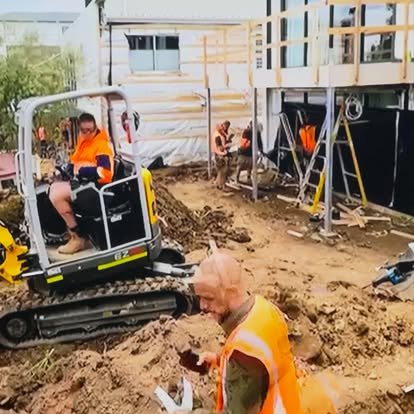
A successful excavation project involves more than removing soil. Experienced contractors follow a structured process to ensure the drainage system works effectively for years.
The typical process includes:
- Site assessment and planning
The property is inspected to identify where water collects and determine the best drainage solution. - Excavation preparation
The excavation area is carefully marked while considering underground utilities and access requirements. - Ground excavation and drainage installation
Trenches or drainage channels are created to allow water to move efficiently away from problem areas. - Backfilling and site restoration
The area is stabilised and restored once the drainage system is installed.
CMK Excavations & Hire Pty Ltd uses industry knowledge and suitable excavation equipment to help Australian properties achieve reliable drainage outcomes.
Choosing the Right Drainage Solution for Your Property
Every property has different drainage challenges. The correct solution depends on the location, soil conditions, water volume, and intended use of the area.
Some common drainage excavation solutions include:
- French drains to redirect groundwater
- Stormwater drainage systems
- Trench drains for driveways and hard surfaces
- Surface drainage channels
- Site grading and earthmoving adjustments
- Drainage upgrades during landscaping or construction projects
A professional assessment ensures you avoid installing a solution that only treats the symptoms rather than the actual cause of the problem.
Australian Drainage Considerations and Standards
Drainage work in Australia must consider local regulations, environmental requirements, and safe excavation practices. Depending on the project, drainage systems may need to comply with requirements relating to stormwater management and connection points.
Excavation contractors must also follow safe work practices when operating machinery and working around underground infrastructure. Before excavation begins, checking underground service locations is an important step to reduce risks and prevent damage.
For larger projects, professional contractors can help ensure drainage designs are practical, compliant, and suitable for the property’s conditions.
Signs Your Property May Need Drainage Excavation
Many drainage problems develop gradually. Recognising the warning signs early can prevent more significant repairs later.
You may need to consider drainage excavation if you notice:
- Water pooling after rainfall
- Muddy or unstable areas around your property
- Soil washing away from gardens or structures
- Damp areas near buildings
- Repeated flooding in outdoor spaces
- Cracks appearing due to ground movement
- Poor water flow after storms
Addressing these issues early can save time, money, and disruption compared with repairing damage after it occurs.
When to Call a Professional
If drainage issues continue despite basic improvements, it may be time to speak with an experienced excavation contractor. Complex drainage problems often require machinery, accurate ground assessment, and solutions designed specifically for your property.
CMK Excavations & Hire Pty Ltd provides professional excavation services across Australia, helping residential and commercial clients with drainage excavation, earthmoving, and ground preparation requirements.
Whether you are dealing with ongoing water pooling, preparing a construction site, or upgrading existing drainage, professional advice can help you choose the right approach. Contact CMK Excavations & Hire Pty Ltd to discuss your drainage requirements and arrange a suitable solution for your property.
Conclusion
Effective drainage plays an important role in protecting Australian properties from water damage. Drainage excavation can prevent water damage by improving water movement, reducing erosion, and protecting structures from moisture-related issues.
From correcting drainage problems to preparing new developments, the right excavation approach provides long-term protection and peace of mind. If your property is experiencing water issues, speak with CMK Excavations & Hire Pty Ltd to explore professional drainage excavation solutions designed around your needs.
Frequently Asked Questions
How does drainage excavation prevent water damage?
Drainage excavation prevents water damage by creating pathways that direct excess water away from buildings, foundations, and vulnerable areas. This reduces pooling, erosion, and moisture-related problems.
When should I consider drainage excavation?
You should consider drainage excavation when you experience repeated flooding, standing water, soil erosion, or drainage problems that continue after basic fixes.
Can drainage excavation improve existing drainage systems?
Yes. Excavation can upgrade or repair existing drainage systems by improving water flow, replacing damaged sections, or installing additional drainage solutions.
Is drainage excavation suitable for residential properties?
Yes. Drainage excavation is commonly used for residential properties to manage stormwater, protect foundations, improve landscaping areas, and prevent future water damage.
