Whether you are preparing a residential block, digging trenches, removing soil, landscaping, or completing larger construction work, selecting the right excavator can make a significant difference. CMK EXCAVATIONS & HIRE PTY LTD helps Australian customers match the right equipment to their project requirements with practical industry experience.
Why Excavator Size Matters for Your Project
Choosing the wrong excavator can create problems that affect your budget, timeline, and overall results. A machine that is too small may struggle with heavy materials, while an oversized excavator may increase hire costs and become difficult to operate in restricted areas.
Excavator selection is not only about digging power. You also need to consider factors such as:
- The size and depth of the excavation required
- Ground conditions and soil type
- Access restrictions around the site
- Required attachments and equipment
- Transport requirements
- Safety considerations
The right excavator provides the balance between power, precision, and efficiency. This is especially important for Australian properties where access, soil conditions, and terrain can vary significantly between locations.
Understanding Different Excavator Sizes
Excavators are generally categorised by their operating weight and capabilities. Each size range is designed for different applications.
Mini Excavators for Small Residential Projects
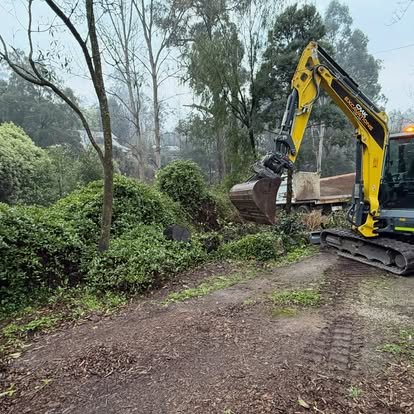
Mini excavators are ideal for projects where space is limited or precision is important. They are commonly used for landscaping, garden excavation, small trenching jobs, retaining wall preparation, and residential drainage work.
Their compact design allows them to access narrow areas where larger machinery cannot operate. They also create less ground disturbance, making them suitable for established properties with existing gardens, driveways, or structures nearby.
Mid-Sized Excavators for Versatile Earthmoving
Mid-sized excavators provide more digging capacity while still offering flexibility across different job types. They are commonly used for:
- House site preparation
- Driveway excavation
- Larger drainage installations
- Pool excavation
- General earthmoving
- Material removal
These machines offer a strong combination of power and manoeuvrability, making them a popular choice for many residential and light commercial projects.
Large Excavators for Major Construction Work
Large excavators are designed for demanding excavation projects that require significant digging force and lifting capability. They are commonly used for commercial developments, large-scale earthworks, demolition preparation, and major site clearing.
While they deliver impressive performance, larger machines require suitable access, transportation arrangements, and enough workspace to operate safely.
Choosing the Right Excavator Size for Your Project
When choosing the right excavator size for your project, it is important to assess the job before selecting machinery. A professional assessment can prevent hiring equipment that does not meet your needs.
Consider these key questions before making a decision:
- What type of excavation work is required?
Digging trenches, removing material, levelling land, and preparing foundations all require different levels of power and precision. - How much space is available?
Residential properties often have fences, buildings, gardens, and narrow access points that limit equipment choices. - What materials will be excavated?
Soft soil, clay, rock, and compacted ground all require different machine capabilities and attachments. - How deep and wide is the excavation?
Larger depths and heavier materials may require increased digging reach and lifting capacity. - Will attachments be needed?
Attachments such as augers, buckets, hydraulic breakers, and grapples can change what an excavator is capable of completing.
Common Excavator Mistakes Property Owners Make
Many project delays happen because equipment selection is based only on price or appearance rather than the actual requirements of the site.
Some common mistakes include:
Hiring a Machine That Is Too Small
A smaller excavator may appear more affordable, but it can take much longer to complete a job if it lacks the required digging depth or power. Longer operating times can increase labour and hire costs.
Choosing Equipment That Cannot Access the Site
A powerful excavator is not useful if it cannot safely reach the work area. Access should always be considered before selecting machinery.
Ignoring Soil and Ground Conditions
Australian properties can have challenging ground conditions, including reactive clay, rocky soil, and uneven terrain. Understanding the ground conditions helps determine the best equipment choice.
Excavator Hire Considerations Across Australia
Excavator hire requirements can vary depending on the location, project type, and regulations involved. Before starting excavation work, property owners should consider site safety, underground services, and local requirements.
Before excavation begins, it is important to check for underground utilities such as electrical cables, water pipes, and gas lines. Services such as Dial Before You Dig help identify underground infrastructure before work commences.
Australian excavation work should also follow relevant workplace safety requirements, including guidance from Safe Work Australia regarding plant operation and construction safety practices.
Working with an experienced excavation provider helps ensure machinery is selected correctly and operated safely for the conditions of the site.
How CMK EXCAVATIONS & HIRE PTY LTD Helps Select the Right Equipment
Selecting machinery is not always straightforward, especially when every project has different challenges. CMK EXCAVATIONS & HIRE PTY LTD takes into account the size of the job, site accessibility, excavation requirements, and desired outcome before recommending suitable equipment.
From smaller residential earthworks through to larger excavation projects, having the right machinery helps improve productivity while reducing unnecessary costs and delays.
An experienced excavation team understands that every property is different. Factors such as slope, soil type, available workspace, and project deadlines all influence the best equipment choice.
When to Call a Professional
If you are unsure about choosing the right excavator size for your project, speaking with an experienced excavation professional can help you avoid expensive mistakes.
CMK EXCAVATIONS & HIRE PTY LTD can assess your project requirements, recommend suitable machinery, and provide reliable excavation solutions throughout Australia. Professional guidance ensures your excavation work starts with the right equipment for the job.
Conclusion
Choosing the right excavator size for your project is essential for completing earthworks efficiently, safely, and within budget. The best choice depends on your site access, excavation requirements, ground conditions, and the type of work involved.
Taking time to select suitable machinery can prevent delays and improve the overall success of your project. For expert excavation advice and equipment solutions, contact CMK EXCAVATIONS & HIRE PTY LTD to discuss your upcoming earthmoving needs.
Frequently Asked Questions
What size excavator is best for residential projects?
Mini and mid-sized excavators are commonly used for residential projects because they provide a good balance of power and access. The best option depends on the excavation depth, site conditions, and available workspace.
Can a small excavator handle large excavation jobs?
Small excavators can complete many tasks but may not be suitable for large-scale digging, heavy materials, or deep excavations. Using the correct machine size improves efficiency and reduces project delays.
How do I know which excavator attachment I need?
The required attachment depends on the task. Buckets are commonly used for digging, while augers, breakers, and other attachments are selected for specific materials and applications.
Do I need permission before starting excavation work?
Requirements vary depending on the location and project. Before excavation begins, it is important to identify underground services and check any local requirements that may apply.
