
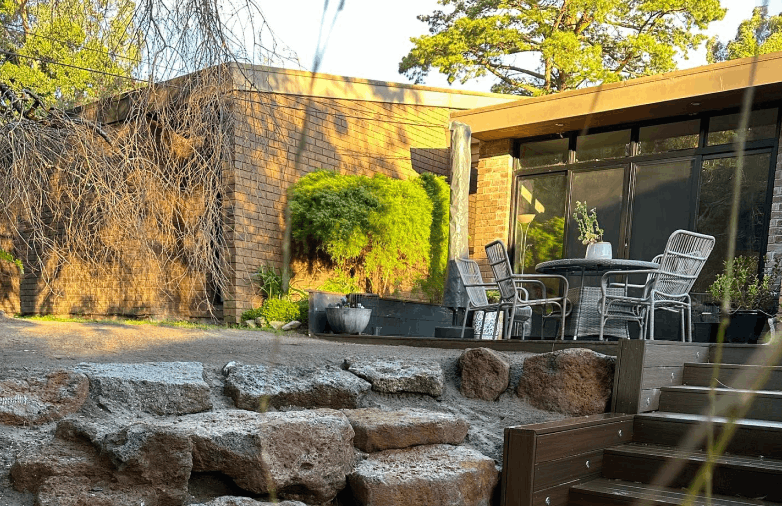
If you’re planning a landscaping or retaining project, one common question is what type of rock is best for building a rock wall. Choosing the right material affects durability, appearance, and stability. CMK Excavations & Hire PTY LTD provides expert advice to help you select the best rock for your Australian outdoor project.
Factors to Consider When Choosing Rock
Not all rocks are suitable for wall construction. Consider these factors before selecting:
- Durability: Rocks must withstand weather, erosion, and pressure from soil.
- Weight and Size: Larger rocks provide stability, while manageable sizes make installation easier.
- Appearance: Choose a rock that complements your garden or property style.
- Availability: Local stone reduces transport costs and environmental impact.
Understanding these criteria ensures you select rocks that are functional and visually appealing for Australian landscapes.
Recommended Rock Types in Australia
Several rock types are commonly used for walls in Australia due to their strength and aesthetics:
- Sandstone: Lightweight, easy to cut, and weather-resistant. Perfect for decorative walls and terracing.
- Granite: Very durable, resistant to erosion, and excellent for structural retaining walls.
- Bluestone: Dense and strong, ideal for formal garden walls and feature walls.
- Limestone: Softer and easier to work with, suitable for smaller or decorative walls.
CMK Excavations & Hire PTY LTD suggests checking local suppliers for availability and selecting rock that suits both your project’s function and aesthetic preferences.
Wall Construction Considerations
Choosing the right rock is only part of the equation. Construction technique and foundation matter:
- Foundation: Excavate a stable base and add gravel for drainage.
- Mortar vs Dry Stack: Decide whether to use mortar for permanence or dry stacking for a natural appearance.
- Drainage: Include weep holes or backfill with gravel to prevent water pressure build-up.
- Rock Placement: Larger rocks at the bottom provide stability; smaller rocks can be used higher up.
Proper construction ensures longevity and reduces the risk of collapse or erosion, particularly in Australian climates with heavy rains or dry spells.
When to Consult a Professional
Building a rock wall requires skill, particularly for retaining walls over 1m high. Contact CMK Excavations & Hire PTY LTD for advice on rock selection, wall design, and installation. Their expertise ensures safe, structurally sound walls that meet Australian standards.
Conclusion
Knowing what type of rock is best for building a rock wall is essential for durability, aesthetics, and stability. Sandstone, granite, bluestone, and limestone are excellent choices depending on your project. CMK Excavations & Hire PTY LTD can guide you in selecting and installing rocks correctly, making your Australian landscaping project both beautiful and long-lasting.
FAQ
Q1: Can I mix rock types in one wall?
Yes, combining rocks can create a unique look, but ensure all types are durable and compatible with local conditions.
Q2: Which rock is easiest for DIY installation?
Sandstone and limestone are lighter and easier to handle for small projects or decorative walls.
Q3: How do I prevent my rock wall from collapsing?
Proper foundation, drainage, and placing larger rocks at the base are critical for stability.
Q4: Are local rocks better than imported stone?
Local stone is usually more cost-effective, easier to source, and suited to the local climate.
