
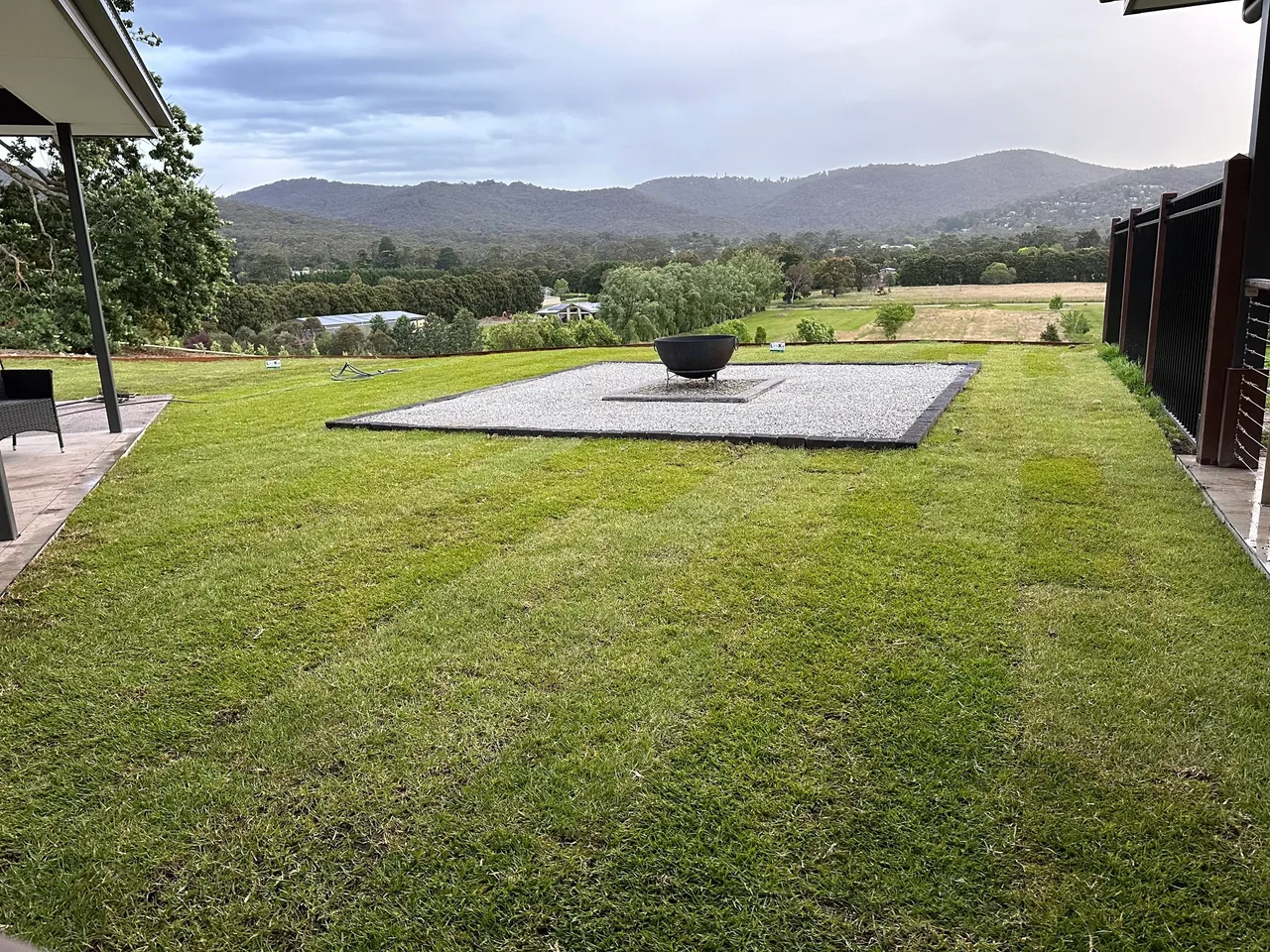
Imagine kicking off your shoes and sinking them into a velvety green lawn under the Kilsyth sun. Sounds fantastic, right? But before that dream turf rolls out, there’s a bit of groundwork needed. In Melbourne’s ever-changing climate – hot, dry summers and cooler, wetter winters – turf preparation is everything. Australian turf experts agree that roughly 80% of a lawn’s success happens before the turf even arrives. In other words, investing time in soil preparation and site prep now means a healthier, more resilient lawn later. From heavy clay backyards in northern suburbs to sandy patches near the bay, understanding your Kilsyth soil type is the first step to making your lawn thrive.
Why Turf Preparation Matters in Melbourne
You might think laying turf is as simple as slapping down rolls of grass, but that’s like baking a cake without prepping the oven – a recipe for disaster. Australian lawn pros warn that an unprepared base leads to patchy growth, poor drainage, and extra headaches. Proper lawn preparation gives turf roots a fighting chance. When your soil is aerated and level, water sinks in and doesn’t puddle on the surface; grass roots can breathe and spread. In fact, experts note that when soil is prepped correctly, “turf roots establish faster, drainage improves, and lawns handle Melbourne’s summers better”.
We’re talking Melbourne summers that roast above 30°C on occasion and bring dry stretches. If your soil is dense or bakes into a crust, new grass can’t survive. On the flip side, Kilsyth sees chilly winter frosts. A solid foundation also helps turf bounce back after cold snaps. Soil prep is the unglamorous hero here – it’s the difference between a thirsty, weedy patch and a lush, low-maintenance oasis. When you prep your site like a pro (or call one in), you set up your lawn to thrive, not just survive, throughout Melbourne’s seasons.
Understanding Kilsyth’s Soil and Climate
Kilsyth’s backyard is part of Melbourne’s patchwork of soil types. Up here in the foothills, you might find clay-heavy dirt or rocky subsoil. Meanwhile, other parts of Melbourne – think bayside suburbs – have sandy soils that drain too quickly. The trick is to tailor your prep to what’s underfoot. For sticky clay, turf experts recommend adding gypsum (about 1 kg per m²) to break up the clay particles and improve drainage. Gypsum essentially loosens tight clay bonds so rainwater doesn’t just sit on top or wash away. For sandy patches, mix in plenty of organic compost to help hold moisture and nutrients. Essentially, you’re adjusting the ingredients: more sand for drainage, more organic matter to hold water.
Don’t forget pH! Australian turf loves a slightly acidic to neutral range (about pH 6.0–7.5). A simple soil test kit from any garden centre can tell you if your earth is happy territory for grass. If it’s too acidic (pH below 6.0), a dash of lime will neutralize it; if it’s too alkaline (above 7.5), a touch of sulphur can help. Getting this right ensures the nutrients you’re working in (like those fertilisers or compost) are actually usable by the grass.
Also, Melbourne is no stranger to drought. The Australian Government For Turf Preparation actually advises designing gardens to reduce water use by improving soil retention. In practice, that means prepping soil so it soaks up rain instead of running off. Better water retention means fewer late-night sprinkler sessions – a win for you and the environment. In short, knowing your local climate (hot, often windy summers and cool, somewhat wet winters) and soil type helps you customize the prep. Do that right, and your lawn will establish quickly and shade out weeds, no dramas.
Step-by-Step Turf and Lawn Preparation
Let’s break it down. Prepping a new lawn is a bit like cooking a gourmet meal: each step matters. Here’s the lowdown (and yes, a concise list makes it clear):
- Clear the site. Remove rocks, sticks, weeds and any old turf. Use herbicide about 2 weeks ahead (kill existing grass with glyphosate, for example) so it dies off completely. When it’s brown, scrape or peel it away. A turf cutter machine can make short work of this for large areas.
- Rough-till and amend the soil. Use a rotary hoe or tiller to dig to at least 100 mm (about 10 cm) deep. This breaks up compacted earth and helps incorporate additives. If your dirt is heavy clay, add gypsum during this tilling stage (about 1 kg per m²). If it’s very sandy, mix in compost instead. These tweaks balance out the soil so roots will have both good drainage and moisture.
- Test and adjust pH. While the soil is loose, do a quick pH test. If it’s below 6.0 (too acidic), sprinkle on garden lime and till it in; above 7.5 (too alkaline) and add soil sulphur. This step makes sure whatever fertilisers you use next get taken up by the roots instead of locking up.
- Top up with quality underlay soil. Experts recommend about 100 mm of a good turf underlay – typically a sandy loam mix. The mix ratio is often around 60–70% sand and 30–40% soil. Spread this nutrient-rich layer evenly over the area. (Insider tip: when spreading, leave the soil surface about 20–30 mm below driveways, paths or pavers – that way, the turf ends up level with edges when it’s laid.)
- Level and grade the surface. Now comes the “screeding” stage. Using a straight board, landscape rake or roller, smooth out the topsoil. Aim for a gentle slope away from the house or building, usually around a 1–2% grade, so rainwater doesn’t pool near foundations. During leveling, remove any small bumps or dips. The goal is a flat but slightly crowned surface for perfect drainage.
- Firm but not solid. After leveling, lightly compact the soil (you can roll it with a water-filled roller or even walk over it). Here’s a quick test: walk across the area in work boots – if your footprint sinks about 5 mm, you’re spot on. If it sinks more, roll a bit more; if it leaves no mark at all, it might be too hard (loosen and re-rake slightly). You want a firm but not rock-hard base for your turf.
- Apply starter fertiliser. Before the turf hits the ground, spread a slow-release “starter” fertiliser high in phosphorus. This gives those new roots a kick-start. Rake it in lightly so it’s just below the surface. Think of it like priming the soil with nutrients. Once that’s done, the groundwork is complete – you’re now ready to lay new turf, and it’ll be in the best position to grow strong and green.
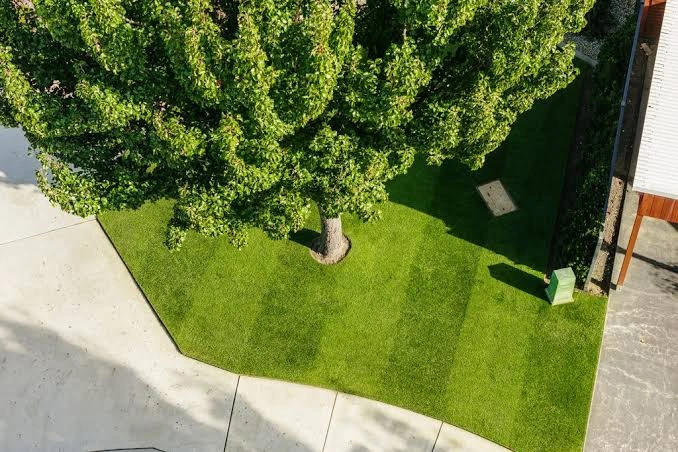
Professional Turf Preparation
Levelling, Grading, and Drainage Essentials
A level playing field really is essential for a perfect lawn. Irregular ground causes puddles in low spots and dry patches on high spots. That means one side of your lawn could drown while the other starves of moisture – no good. So after rough tilling, focus on fine grading. The soil layer should have the same gentle incline that guides water off the grass, away from house walls. A mere 10–20 mm drop per metre is usually enough to channel runoff.
This step may seem fussy, but it pays off. Uneven ground not only looks sloppy, it leads to muddy lawns and mowing headaches. Use tools like a landscaping rake or a straight-edge board to even it out. Professionals even use water-filled rollers to press out the final bumps. Remember that list of benefits experts gave: properly prepared soil “drainage improves, lawns handle Melbourne’s summer stress better and maintenance becomes easier”. In practice, that means a fully levelled and graded yard will green up quicker after rain and won’t turn into a quagmire after a storm.
Finally, check the height. Your finished soil should sit just below your hardscape edges. Both Atlas Turf and other guides suggest leaving the turf bed about 20–30 mm lower than paths and driveways. This little gap lets the turf thickness fill into a flush, professional look. Ignore it, and you get raised seams or a lawn that looks like a tiny hillock next to your patio – not the clean edge you want.
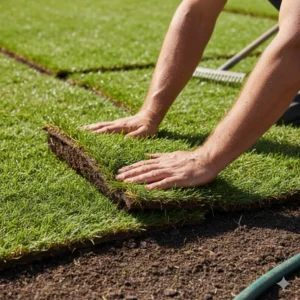

Professional Turf Preparation and Excavation Services
Sometimes a perfect yard transformation deserves professional muscle. If your project is big, rocky, or in tight quarters, calling in excavation and earthmoving services can save you sweat and back-ache. Think of it like calling an athlete to carry heavy weights: machinery like mini-excavators, bobcats or track loaders do in minutes what might take you all weekend. These pros handle land clearing (removing shrubs, old roots, stumps) and material removal effortlessly. They’ll even haul away the green waste, so you’re not left with a mountain of debris.
A good excavator crew also specializes in precision levelling, land grading and surface grading – they can nail that perfect slope and elevation without trial and error. Using a bobcat or laser-guided mini-loader, they can spread topsoil evenly, compact it correctly, and avoid gouging your yard. Plus, they know how to incorporate drainage preparation: for example, digging subtle channels or installing pipes if needed under the turf area.
In Kilsyth and across Melbourne, companies offering residential and commercial turf preparation often list services like:
- Clearing existing lawn and weeds, then hauling it away.
- Excavating soil to specified depths (also known as site cuts).
- Breaking up and conditioning compacted earth.
- Spread turf mix or underlay soil to the ideal depth (usually ~100 mm).
- Fine levelling and grading for that billiard-table smoothness.
- Offering bobcat hire or excavator hire for do-it-yourselfers who prefer to work themselves.
When you hire a pro turf prep team, they bring expert know-how: matching machinery to space constraints, selecting the right soil blends, and even advising on turf variety for the local climate. Sure, there’s a cost, but consider it an investment: you’ll save weeks of manual digging and avoid the common mistakes that lead to a lawn redo. At the end of the day, professional soil preparation means your turf gets an ideal start, with less chance of sinking unevenly or washing out. And after they pack up, you get a “turf-ready” site without the sore muscles!
Conclusion
Prepping your turf isn’t just another chore – it’s the foundation for a vibrant, enduring lawn in Melbourne’s climate. By clearing debris, tailoring the soil (amending clay or sand and checking pH), adding a quality underlay, and making sure the surface is level and drains well, you give your new grass the best possible start. It may sound like a lot of steps, but each one makes a real difference: better drainage, deeper roots, easier maintenance and a lush green yard that handles Kilsyth’s heat and cold. Remember that local experts stress foundation-first planning – get the ground right and you’re well on your way to that perfect turf .
If you’re thinking, “I’ll get to it next weekend,” consider this: haste and shortcuts often cost more time down the line. Instead, apply these tips (or better yet, call in the pros) and watch as the lawn you “grow” becomes the envy of the neighbourhood. Quality turf preparation is like prepping a stage for a blockbuster performance – everything happens on a level playing field that’s been built to last.
Ready to transform your yard in Kilsyth? CMK Excavations and Hire has the expertise and equipment to make it happen. Get in touch today to discuss how we can excavation services, precision grading, and professional turf preparation can save you time and deliver a flawless lawn. Let’s start building your dream lawn – contact us now and step onto the green side!
FAQs For Turf Preparation
Q: What is turf preparation and why is it important?
Turf preparation (sometimes called site preparation or lawn preparation) means getting your soil and ground ready before laying new turf. It involves clearing old grass, tilling and amending the soil, levelling the surface, and ensuring good drainage. This matters because well-prepared soil lets turf roots grow quickly and evenly, prevents waterlogging, and leads to a healthier lawn in Melbourne’s climate. Skipping steps can result in patchy grass or extra weeds later.
Q: How long does it take to prepare a lawn for new turf?
The time depends on your yard size and condition. A small lawn (say 50–100 m²) might take a day or two if you’re DIY-ing (including herbicide wait time), but larger or complicated sites take longer. Professionals with machinery can clear and grade quickly, sometimes in just a few hours for a standard backyard. Factors like heavy clay, dense weeds or tight access might extend prep time. Always allow for herbicide to work (about 7–14 days) and for any soils to settle after grading.
Q: Can I do turf preparation myself, or should I hire experts?
You can do it yourself if you’re up for shoveling and renting equipment. If your yard is straightforward (relatively level and small), DIY might save cash. But keep in mind: it’s hard work and requires know-how on things like correct grading, soil mix ratios, and equipment use. Hiring professional excavation and earthmoving services is a big help if there are tricky parts – for example, uneven terrain, compacted clay, or large debris. Pros also have tools like small excavators and rollers, which do the job more efficiently than hand tools. Ultimately, consider your budget, timeline, and how perfect you want your lawn. A bit of paid help can go a long way to ensure it’s done right.
Q: What equipment is commonly used for turf preparation?
Pro turf prep crews often use specialized gear: mini excavators and bobcats to dig and clear soil, trenchers or plows to remove roots, and rollers to compact the base. For DIYers, renting a rotary hoe or rototiller (for breaking up soil) and a landscape rake (for leveling) is common. You might also use a soil spreader or wheelbarrow for topsoil. Think of it like building a house: you need heavy-duty tools (even just a leveled hand shovel) to handle the groundwork. Using the right gear means your base will be properly dense and smooth before turf arrives.
Q: When is the best time to lay turf in Melbourne?
Generally, turf can be laid all year, but timing matters. Early spring or autumn are ideal in Kilsyth because soils are moist and temperatures are moderate, helping roots establish before summer heat or winter chill. Avoid the hottest dry weeks of summer if possible, or ensure extra watering. Winter is okay too (grass will be slower to grow), but keep the soil workable (you may need to wait until the worst frosts pass). Before you lay turf, double-check that all site prep steps are done: leveled, amended, and clear of weeds. If so, you’re ready to roll out that green carpet and watch your lawn come to life.
