
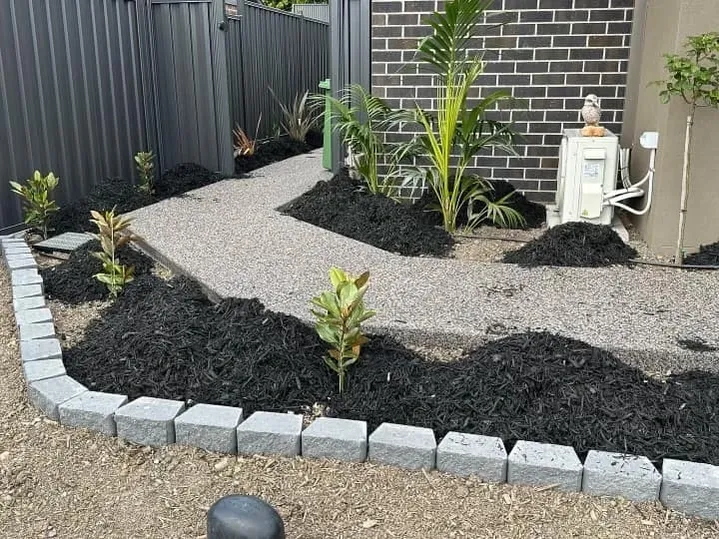
Begin with a clear vision: a crushed rock driveway can be a charming, durable and eco-friendly entrance for your Melbourne home. But don’t just dump gravel and hope for the best. A solid plan and proper build are key. In this guide, we’ll cover everything from initial design to keeping your driveway in tip-top shape – with an emphasis on Melbourne’s climate and local regulations. By the end, you’ll feel confident about your project and know exactly when to call in help (or do it yourself).
Why Choose a Crushed Rock Driveway?
Crushed rock driveways – often called gravel driveways, blue metal driveways, or quarry rock driveways – are popular in Australia for many reasons. They offer permeability (letting rainwater soak into the ground), a rustic charm that suits rural and suburban properties alike, and cost savings over poured concrete or asphalt. You’ll also see crushed rock driveways on country properties and in new eco-conscious developments. In Melbourne, where summer heat and winter rains both occur, a well-built crushed rock driveway drains quickly and avoids puddles and mud that can plague other surfaces.
- Affordability: Crushed rock (often granite or basalt, aka blue metal) is generally cheaper than concrete or paving.
- Appearance: A neat gravel driveway can complement gardens and landscaping with a natural look.
- Functionality: The angular crushed stone locks together under tyres, giving a surprisingly solid feel (more so than rounded pebbles).
- Environment: It’s a permeable surface, so stormwater soaks in rather than runs off. This can reduce pressure on storm drains in heavy Melbourne rains.
Whether you’re upgrading an old dirt track or building new access to a rural block outside the city, a crushed rock driveway is versatile. Even Melbourne councils recognise gravel as acceptable driveway material (as long as it’s well constructed). This means you won’t have to pave it in concrete to satisfy regulations – you can keep the natural look and feel!
Planning Your Crushed Rock Driveway
First things first: design and permissions. Before any digging or rock, check if you need council approval. In Melbourne (and Greater Melbourne councils), most new or changed driveways that connect to public roads require a permit. This is often called a vehicle crossing or crossover permit. Councils want to ensure your driveway meets safety and drainage standards. For example, the Melbourne Urban Planning Authority (VPA) recommends driveway grades no steeper than 25% (1-in-4) on residential lots – anything steeper can be hard to drive on and may require special engineering.
Key planning considerations:
- Site Assessment: Look at the slope of the land and soil type. If your land is very clayey or prone to erosion, you’ll need a stronger base. Identify any low spots or drainage paths – water naturally flows downhill, so note where drainage trenches or culverts may be needed. (Crushed rock is permeable, but you still want to channel heavy flow away from the surface when possible.)
- Driveway Alignment: Sketch the proposed route from the street to your garage or parking pad. Make sure the path is wide enough (typically 3–5 m for residential driveways) and allows easy turning. Avoid sharp bends. Check that it meets any council sightline requirements at the road. You may also choose a gentle “crown” in the middle so water runs off to the sides.
- Local Standards: While rules vary by council, many allow a gravel or crushed stone driveway as long as it’s in good condition. For instance, Latrobe City Council’s policy explicitly allows driveways surfaced in “gravel, crushed rock, or hot mix asphalt” to stop mud from being dragged onto the road. Golden Plains Shire (in Victoria) even specifies that rural crossovers may be “constructed from crushed rock (may be sealed) or concrete”. These examples show that crushed rock is commonly accepted as long as the finish is solid. In short, once approved, you’re free to use quality crushed rock.
Remember drainage: Driveway drainage is crucial. Melbourne summers can be dry, but winter storms happen. Plan for side drains or a simple swale on one or both sides of the driveway. If your driveway will cross a gully or stormwater channel, include a galvanized steel or plastic culvert under it. (Note: often the homeowner maintains the culvert.) Keeping water away from the surface and letting it infiltrate through the crushed layers will prolong your driveway’s life.
Site Preparation and Excavation
With plans approved, it’s time for earthworks. Site preparation is about creating a stable foundation. Start by clearing all vegetation, roots, topsoil and debris from the driveway area. You can rent an excavator or skid-steer loader (earthmoving services) for larger jobs. Dig out the soil to reach firm subgrade – typically at least 100–150 mm below the finished surface. The exact depth depends on soil: soft, clay-rich soils might need deeper excavation or even replacement with compacted fill.
- Subgrade Prep: Once native soil is exposed, check it’s even and well-compacted. If needed, add a compact good quality fill (like coarse sand or light gravel) to replace any spongy spots. Achieve a uniformly firm base.
- Edge Restraints: Installing solid edging helps keep the gravel in place. You can use timber battens, steel edging, concrete kerb blocks or even large landscape rocks. Edge restraints should be set on compacted base and pegged firmly. They define the driveway boundary and prevent gravel from spreading.
Trenching for pipes (like irrigation or lights) should happen now too. If the driveway crosses a roadside swale, install any required culvert pipe before laying rock.
Sources: Local council and engineering guidelines (Victorian authorities) were consulted on standard practices and regulations. These confirm that crushed rock can be used for driveways and recommend keeping slopes moderate. Our advice is also based on industry best practice for stable gravel surfacing.
Building the Driveway Base
Now for the layers that make a sturdy base. This is where quality crushed rock or road base really matters:
- Base Layer (Sub-base): Lay the first layer of coarse crushed rock – often called Class 3 or “road base”. In Melbourne, common materials are blue metal (crushed basalt) or crushed granite. Spread about 75–100 mm of this coarse aggregate evenly. This tough layer gives strength under heavy loads. (Design guides often call for even thicker bases for industrial use, but for a home driveway ~100 mm is a good start.) After spreading, thoroughly compact this layer. You can use a vibratory plate compactor or roller – aim for at least 95% compaction. A well-compacted base prevents future sinkage and potholes.
- Base Course: Next, add a finer crushed stone layer (often Class 2 or 1). This could be around 50–75 mm thick. This layer locks into the sub-base and levels the surface. Again, rake it smooth and compact it tightly. Use moisture (lightly dampen) to help the fines bind if needed.
- Final Topping: Lastly, spread the decorative wearing course – usually coarse gravel of uniform size (10–20 mm chips). Aim for at least 50 mm thickness. Rake it evenly. Then compact one more time. The fine dust and small particles will fill gaps and create a smooth, finished surface. The end result is a solid gravel top layer that stays in place under tyres.
Maintain a slight crown (midpoint slightly higher) so water sheds off to either side. Also slope the driveway gently towards your chosen drainage (e.g. into a side ditch or away from structures). As one Victorian engineering guide notes, residential driveways should ideally not exceed a 25% gradient – keeping slopes manageable for vehicles and pedestrians.
Drainage and Finishing Touches
A properly laid crushed rock driveway is inherently more permeable than asphalt or concrete, but water management is still key in Melbourne’s climate. Ensure that surface water flows to the sides, not down the length of the driveway. If the road end is higher than your driveway, install a grated channel drain (or simple culvert) at the foot to intercept stormwater from the street. If there’s a natural fall alongside the drive, a shallow swale can carry runoff away. Some people also lay agricultural (perforated) drainpipe alongside and below the driveway edge, backfilled with gravel, to collect subsurface water.
For aesthetics, rake the final gravel so that tracks from the compactor are evened out. Edge with garden edging or even low hedging to prevent gravel ‘creep’. Finally, consider the entrance: if the driveway meets a street gutter, a wheel-stop or slight lip can stop gravel spilling onto public roads (and satisfy council rules about not tracking mud/grit onto the street).
Maintaining Your Crushed Rock Driveway
A well-built crushed rock driveway requires surprisingly little upkeep, but some regular TLC keeps it looking great and problem-free. Think of maintenance as three stages:
- Routine checks and raking: Every month or two (or after heavy rains) grab a rake and fill in any small ruts or low spots with loose gravel from the edges. Lightly corrugations can be smoothed out by a garden rake or by a car’s tyres. Remove leaves, sticks or debris from the gravel surface and any side drains.
- Annual touch-ups: Once a year, inspect the whole length. Weed growth in gravel is common; pull any plants or spray a targeted weedkiller. Check that the gravel layer is at least 50 mm thick everywhere – low areas might need topping up. If the driveway has areas where the sub-base is showing or it feels spongy, add a fresh layer of road base and compact it.
- Full refresh every few years: Over time, the gravel surface will thin out. Every 3–5 years (depending on traffic), it’s wise to add a truckload of new crushed rock or coarse gravel. Spread 25–50 mm over the existing surface and compact again. This restores a clean look and solid feel. Some savvy homeowners top-dress right when laying, applying a final fine “screenings” layer to fill gaps.
Keeping the driveway graded and topped also means water will run off smoothly, reducing washouts. If potholes or washouts do form after a storm, fill and compact them promptly. On long driveways, you might consider getting a small box scraper or hiring a local road grader service for an occasional pass (as rural councils do for gravel roads). In any case, attending to a gravel driveway is usually simpler (and cheaper) than repairing a cracked concrete drive.
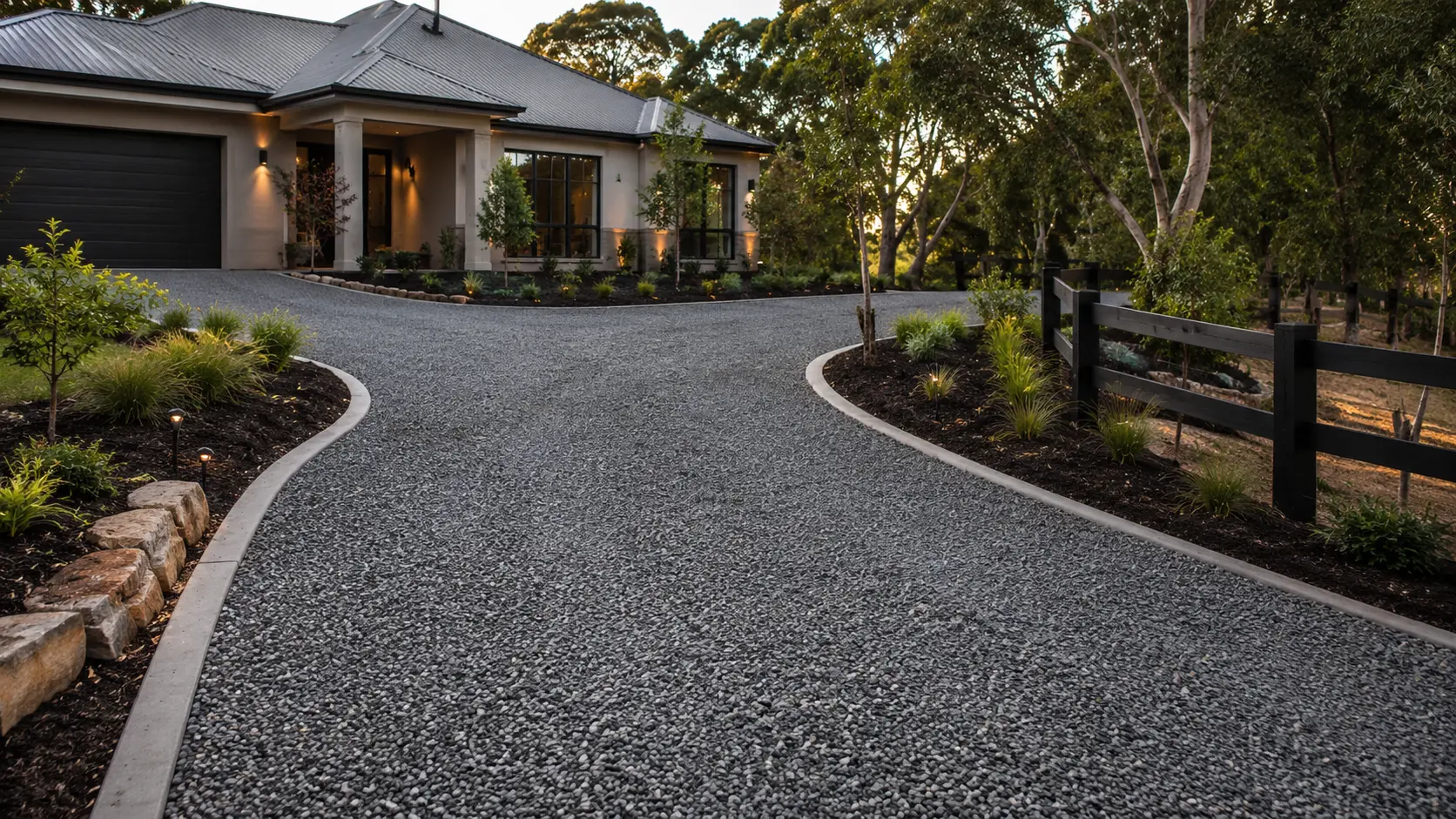
A curved crushed rock driveway leading up to a Melbourne home – note the clean gravel surface and neat edging
Conclusion
A Crushed Rock Driveway is an excellent investment for Melbourne properties, offering the ideal balance of durability, affordability, and natural appeal. With proper planning, quality driveway base preparation, effective driveway drainage, and professional driveway compaction, you can create a surface that performs reliably through Melbourne’s changing weather conditions. Regular driveway maintenance, including grading, topping up gravel, and addressing minor wear early, will help preserve its appearance and structural integrity for many years.
Whether you’re building a new residential driveway, upgrading a rural driveway, or improving access to a commercial driveway, taking the time to choose the right materials and construction methods will ensure long-lasting results.
Ready to Build Your Crushed Rock Driveway?
If you’re planning a Crushed Rock Driveway in Melbourne, partnering with experienced professionals can make all the difference. From site preparation and excavation to drainage design, compaction, and the final surface finish, expert guidance ensures your driveway is built to withstand daily use while adding lasting value to your property.
Contact our team today to discuss your project, request a free quote, or receive expert advice on the best crushed rock solution for your home, rural property, or commercial site. We’ll help you create a durable, attractive driveway that’s built to last.
Frequently Asked Questions
Q: How deep should a crushed rock driveway be?
A: Generally, a total thickness of around 100–150 mm is recommended for a residential driveway. This typically means about 50–100 mm of compacted crushed rock base topped by 50 mm of smaller gravel. In practice, many builders use a 100 mm road-base layer plus a 50 mm chip layer. For heavier traffic or clay soils, increasing the base to 150 mm provides extra strength.
Q: Do I need council approval for a crushed rock driveway in Melbourne?
A: If your driveway crosses public land (i.e. from the street to your property), you usually need a vehicle crossing permit from your council. The good news is councils in Victoria often allow gravel or crushed rock surfaces. For example, Latrobe Council explicitly permits driveways “surfaced with…gravel, crushed rock…to prevent mud”. You’ll still need to meet standards for width, slope and drainage. Always check with your local council’s roads or planning department before building.
Q: What maintenance does a crushed rock driveway require?
A: Regular light maintenance keeps it trouble-free. Rake or sweep every few months to redistribute gravel and fill low spots. Remove weeds or debris promptly. After heavy rain, clear any washed-out areas and re-add gravel as needed. Typically, a crushed rock driveway may only need a fresh layer of gravel every 2–5 years. By regrading and topping up occasionally, you maintain a smooth and stable surface that will last decades.
Q: What are the differences between crushed rock, gravel, and blue metal driveways?
A: These terms often overlap. “Gravel driveway” is a broad term meaning any loose stone surface. “Crushed rock driveway” usually implies angular, broken stone (not round pebbles) that compacts well. “Blue metal” is Australian lingo for crushed basalt rock, prized for strength. In practice, a blue metal driveway is a type of crushed rock driveway, valued for its durability and distinctive grey-blue look. All rely on the same principle of layered, compacted stone. Each name highlights a specific stone type, but all require the same planning, base prep and compaction.
Q: Can I lay a crushed rock driveway myself?
A: Yes, many DIYers successfully install their own crushed rock driveway. Basic tasks include marking out the area, excavating to a firm base, and laying layers of crushed rock. Small projects may only need a plate compactor (available to hire). However, for long driveways or tricky terrain (steep slopes, poor soil) it can be tough. You might hire earthmoving machinery for excavation or a mini-roller for compaction. Also consider geotextile fabric under the gravel if soil is very soft. In either case, doing it right from the start pays off with fewer future repairs.
