
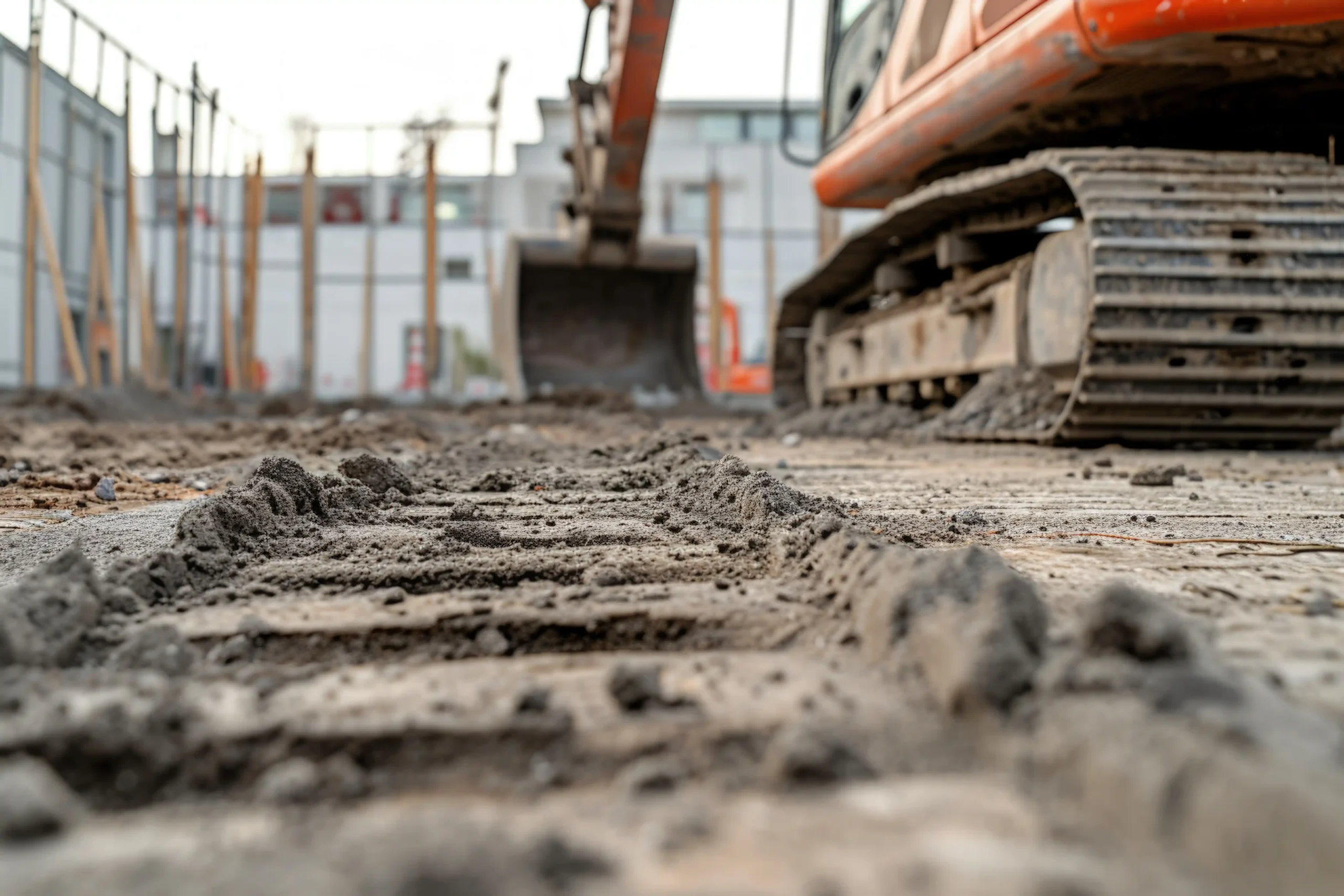
When you live in Melbourne, you know the weather can be a wild ride: one day it’s sunbaking, the next it’s raining cats and dogs. That’s tough on driveways. After a few Melbourne summers and storms, your once-smooth driveway might look like a cracked racetrack. If weeds sprout through cracks or puddles form mini lakes, driveway resurfacing might be just what you need. Think of it as giving your home a facelift – we clean and repair the old surface, then lay down a fresh, durable layer.
The result? A fresh, strong driveway that boosts your home’s curb appeal and saves you money compared to a total rebuild. After all, your driveway is like a welcome mat for visitors — it should make a good first impression. This guide will walk you through every step of the driveway resurfacing process in Melbourne, from spotting the first cracks to putting on the final sealant. By the end, you’ll know exactly how to breathe new life into your driveway and keep it looking great for years.
What Is Driveway Resurfacing?
Driveway Resurfacing is the process of applying a new surface layer over an existing driveway that remains structurally sound. Rather than removing the entire driveway, contractors repair surface imperfections, prepare the area, and install a fresh overlay that improves both appearance and durability.
This approach is commonly used for concrete driveway resurfacing, asphalt driveway resurfacing, and various decorative finishes. It allows homeowners to restore ageing surfaces while extending the life of their driveway.
For Melbourne properties, driveway resurfacing Melbourne services have become increasingly popular because they provide a practical solution for weathered driveways without the disruption of complete reconstruction.
Why Driveway Resurfacing Matters in Melbourne
Driveway resurfacing thrives in Melbourne’s climate: it throws everything at your driveway—blazing sun, pounding rain, even the occasional hailstorm. Over time these conditions cause cracks, fading and potholes to appear. Ignoring them can turn a small fix into a big headache. Thankfully, driveway resurfacing tackles these problems head-on. By grinding away the old surface imperfections and applying a fresh layer, resurfacing seals cracks and prevents water from seeping in and eroding the base. The result is a sturdy new surface that extends your driveway’s lifespan and keeps your home looking sharp. Compared to a full reconstruction (which can take a week and cost thousands), resurfacing is quicker and more affordable. A newly resurfaced driveway also delivers instant kerb appeal. Local data even suggests that homes with updated driveways can see a boost in value of up to 10%. In short, driveway resurfacing in Melbourne is a smart investment in your property’s future.
Signs Your Driveway Needs Resurfacing
How do you know if your driveway needs a full resurface? Look out for these red flags:
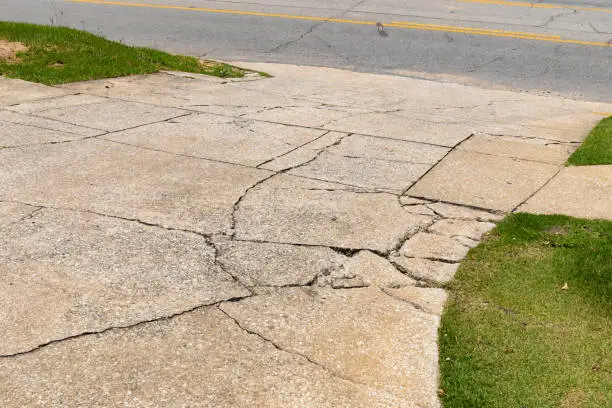
- Visible cracks or crumbling edges: Small cracks worsen after rain or heat. When cracks spread or pieces start flaking off, it’s often smarter to resurface than keep patching.
- Pooling water: If rain forms puddles on the drive, the slope and drainage are compromised. Proper resurfacing will regrade the driveway so water flows away.
- Spalling or flaking: Bits of concrete or asphalt coming loose mean the surface has worn through. An overlay will restore a solid, smooth finish.
- Weeds or moss: Plants growing in cracks indicate moisture is getting underneath. A fresh sealed surface will block water and prevent weeds from returning.
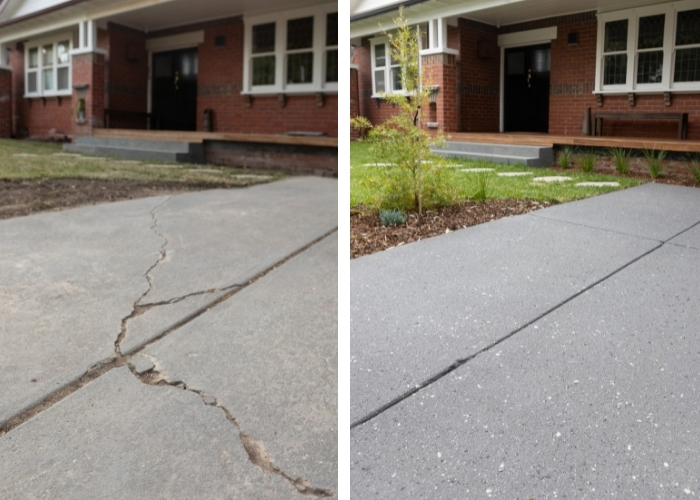
- Uneven or faded look: If your driveway looks patchwork or faded despite repairs, it’s time for a new layer. Resurfacing will give it a uniform, like-new appearance.
If you notice most of these problems, driveway resurfacing is likely the best solution to avoid a much bigger problem later. It can usually be done in a day or two for a typical home driveway, getting you back on track faster than a full replacement.
Resurfacing vs Full Replacement
Sometimes you might wonder: should I resurface or completely replace my driveway? The key is the underlying base. If the base is stable, resurfacing is usually enough. Replacement is only needed if the base is sinking or failing. In Melbourne, most homeowners opt for resurfacing because it’s cheaper and much faster. Industry data shows people prefer resurfacing for its cost-effectiveness and minimal disruption. A full replacement might take 5–7 days with heavy machinery and demolition, whereas a resurfacing overlay can often be done in just a couple of days. Unless the damage is extreme, resurfacing delivers a “brand new” drive with a fraction of the time and cost.
Choosing Materials and Finishes
Once you decide on resurfacing, the next step is picking your material. In Melbourne, the two main options are concrete overlays and asphalt overlays, each with its perks.
Concrete Overlays: These are cement-based layers poured on top of your old driveway. They are very durable and can be customised in many ways. You can have the concrete smoothed, brushed or even stamped with patterns (like brick or slate). You can also expose the small stones in the mix (exposed aggregate) for a textured finish. Decorative additives (colours, flakes, quartz) can make your driveway truly unique. These decorative finishes from leading driveway resurfacing services really boost curb appeal.
Asphalt Overlays: Asphalt (bitumen and gravel) is another popular choice. It cures quickly—often you can drive on it within a day. Asphalt tends to be cheaper for large areas and is great for busy driveways. Modern asphalt mixes with sealers resist weather damage, so the surface stays black and smooth. The downside is it has fewer decorative options, and you may need to seal it every few years to keep it looking new.
Decorative Options: Beyond plain concrete or asphalt, there are creative finishes. You can add a coloured resin-bound stone layer, decorative flakes, or even stamped patterns that mimic tile or wood grain. These finishes are part of many driveway renovation solutions, especially when curb appeal is a priority. Just remember, decorative overlays are more expensive and require skilled installation.
Here’s a quick comparison of the typical overlay types:
| Material | Benefits | Drawbacks |
| Concrete Overlay | Very durable; supports patterns, colours and exposed aggregate. | Higher material cost; requires longer curing time. |
| Asphalt Overlay | Fast to lay and cost-effective; cures quickly and handles traffic well. | Needs periodic resealing; fewer aesthetic options. |
| Decorative Finish | Unique textures/patterns for high curb appeal. | More expensive; needs expert application. |
These are general traits – actual performance depends on the exact products and installation quality. Regardless of the type, make sure the contractors use high-quality materials and follow proper procedures.
Step-by-Step Resurfacing Process
Diagram: Key steps in resurfacing a driveway.
Step 1: Inspect and Assess. First, the pros inspect the existing driveway thoroughly. They measure cracks, look for areas where the surface has crumbled, and check if water is pooling anywhere. They also verify that the underlying base is solid enough for an overlay. If the base is failing (like big holes or subsidence), they may recommend replacement. For most home driveways, though, the base is sound and we can move on.
Step 2: Surface Preparation. Once approved, the old surface is cleaned and prepped. We’ll pressure-wash away dirt and oil, then repair any minor cracks or holes using compatible patching compounds. High edges are ground down, and uneven spots are levelled. Finally, a bonding primer is applied so the new driveway resurfacing layer will adhere properly to the old surface.
Step 3: Mix and Lay Material. Now the new layer is poured or spread. For concrete, the team mixes cement with sand/gravel on-site and pours it over your old driveway, then uses trowels and floats to smooth it. For asphalt, hot asphalt is loaded and compacted. During this stage, patterns or textures (like stamped patterns or exposed aggregates) are created if you chose a decorative finish. Safety cones keep the area clear during the pour. Once laid, the surface is smoothed out and left to set.
Step 4: Curing and Sealing. After the material is in place, it needs time to harden. Curing may take from a few hours (special quick-set mixtures) to a day or two. When it’s ready, a clear or tinted sealant is rolled or sprayed on as a final layer. This sealant locks in the colour and protects the surface from water, oil and UV damage. With the sealant on, contractors do a final check, clean up the site, and then walk you through the finished driveway, ensuring you’re happy with the final result.
Step 5: Final Touches. The contractor will point out maintenance tips and answer any questions. This might include how long to wait before parking heavy vehicles, or how to handle stain removal. Essentially, they hand over the ‘keys’ to your new driveway. And with that, the process is complete!
Residential and Commercial Driveway Resurfacing
While the principles remain similar, residential driveway resurfacing and commercial driveway resurfacing often involve different requirements.
Residential projects typically focus on kerb appeal, property value, and everyday vehicle use. Homeowners often prioritise decorative finishes and personalised designs that enhance the appearance of their property.
Commercial projects, on the other hand, usually prioritise durability, traffic management, and long-term performance. Business owners require surfaces capable of handling higher traffic volumes while maintaining a professional appearance.
Experienced contractors understand these differences and tailor solutions accordingly.
Understanding Local Regulations and Compliance
Before undertaking significant driveway works, it’s important to ensure compliance with local council requirements and regulations.
Property owners can find useful information about building standards and property-related requirements through the Australian Government’s official resource, Australian Building Codes Board.
Professional contractors are familiar with local requirements and can help ensure projects are completed according to relevant guidelines and industry standards.
This provides peace of mind while helping homeowners avoid unnecessary complications during their resurfacing project.
Driveway Maintenance Tips After Resurfacing
Proper maintenance plays a major role in extending the lifespan of any Driveway Resurfacing project.
To keep your resurfaced driveway looking its best:
- Clean debris regularly
- Remove stains promptly
- Avoid harsh chemicals
- Monitor for new cracks
- Schedule periodic inspections
- Consider professional driveway sealing services
Consistent driveway maintenance Melbourne homeowners perform can significantly improve long-term performance and appearance.
Think of maintenance as regular servicing for your car. A little attention today can prevent bigger issues tomorrow.
Choosing the Right Contractor and Permits
Who does the work is just as important as how it’s done. Always hire licensed, experienced driveway resurfacing contractors in Melbourne. Check their reviews, ask to see past work, and get multiple written quotes. Beware of quotes that sound too cheap – Consumer Affairs Victoria even warns about scam ‘tradies’ offering unbelievably low prices. Ask if they handle council permits. In Melbourne, any work on the driveway’s vehicle crossing usually needs approval. For example, Stonnington Council requires a vehicle crossing permit when you build or repair a driveway entry. A reputable contractor will take care of this paperwork for you.
Think of hiring a contractor like choosing a chef for your favourite dish: you want someone with proven skill, not a roadside stall. A pro who specializes in driveway resurfacing will ensure the job meets all local regulations and technical standards. Communication is crucial. Good contractors will explain why they use certain materials and how to care for the new surface afterward. As a rule of thumb, think of driveway resurfacing like an advanced home improvement project. It’s not a backyard barbecue job! Experienced professionals have the tools (like heavy compactors and screeds) and know-how to get it right the first time.
Why Choose CMK Excavations and Hire?
At CMK Excavations and Hire, we understand that every driveway tells a story. Some have endured years of family life, countless arrivals and departures, and Melbourne’s ever-changing weather.
Our team specialises in Driveway Resurfacing, driveway restoration services, and customised solutions designed to deliver durable, attractive results. We combine practical experience with quality workmanship to ensure every project meets the highest standards.
Whether you’re considering concrete driveway resurfacing, asphalt driveway resurfacing, or premium decorative finishes, we focus on creating surfaces that look exceptional and perform reliably.
Conclusion
Driveway resurfacing in Melbourne is more than just a quick patch; it’s a way to make an old driveway look and perform like new. By repairing the existing driveway and adding a fresh layer, you extend its life, prevent water damage, and give your home a real facelift. Proper steps – careful inspection, thorough prep, quality materials, and professional sealing – deliver a smooth, durable surface built for Melbourne’s ups and downs.
If your driveway is cracked, faded or patchy, now is the time to act. Resurfacing can typically be done in a few days with minimal fuss. Ready to give your Melbourne home a makeover? Contact CMK Excavations and Hire today. Chris and our friendly team have over 10 years’ experience in resurfacing driveways. We’ll assess your driveway in person, explain all the best driveway resurfacing options for your site, and give you a free, no-obligation quote. Let us help you transform your driveway into something you’ll love!
Driveway Resurfacing is mentioned so often because it truly is the core of this article. We want you to remember that this process – fixing the old surface and laying a new one – is the key to a long-lasting, attractive driveway. Now that you’re equipped with all this info, you can approach your project with confidence!
Pro tip: “driveway resurfacing” isn’t just buzzwords – it’s your driveway’s ticket to a fresh start!
One final note: proper driveway resurfacing means repairing and protecting your investment. Think of it as maintenance that pays for itself. This guide has repeated the term so much because, truly, if you take one thing away – let it be ‘driveway resurfacing’. It’s the most effective way to save your driveway for the long haul. Follow these steps, and your driveway will look as good as new and avoid pricey repairs later.
FAQs
1. How long does Driveway Resurfacing last?
The lifespan of Driveway Resurfacing depends on factors such as material selection, installation quality, traffic levels, and maintenance. Professionally completed resurfacing projects can provide many years of reliable performance when properly maintained.
2. Is Driveway Resurfacing suitable for cracked driveways?
Yes. Minor and moderate cracks are commonly repaired during the resurfacing process. Professional driveway crack repairs help create a stable foundation before the new surface is applied.
3. What is the difference between concrete and asphalt driveway resurfacing?
Concrete driveway resurfacing offers extensive decorative options and design flexibility, while asphalt driveway resurfacing provides a smooth, durable finish commonly used for residential and commercial applications.
4. Can decorative finishes be added during resurfacing?
Absolutely. Modern decorative driveway finishes include coloured overlays, textured surfaces, stamped designs, and exposed aggregate resurfacing, allowing homeowners to customise the appearance of their driveway.
5. How can I maintain my resurfaced driveway?
Regular cleaning, prompt stain removal, routine inspections, and professional driveway sealing services help protect the surface and maximise the lifespan of your resurfaced driveway.
